Written by the Birdsville team. Last updated October 2026.
Canaries are easy to care for once you have the basics right: a cage long enough to fly in, a quality canary seed blend with fresh greens and egg and biscuit, a constant supply of clean water, calcium, iodine and vitamins, and regular worming and mite treatment. This guide covers everything the Birdsville team tells every new canary owner, from over 40 years of keeping birds. Every product we recommend, and plenty more, is available in-store at Birdsville in Sydney, or online through our partner store Petsville (https://petsville.com.au/) with delivery Australia-wide.
Canary Quick Facts
Scientific name: Serinus canaria domestica
Native to: The Canary Islands, Azores and Madeira (wild canary)
Adult size: About 12 to 14cm, depending on the breed
Adult weight: About 15 to 30 grams
Lifespan: Usually 8 to 10 years, some reach 15 with great care
Diet: Quality canary seed blend, crumble, fresh greens and vegetables, egg and biscuit, a little fruit
Minimum cage size: 46cm long x 36cm deep for one canary, longer is better
Social needs: Happy alone or in groups, but males should not be housed together
Singing: Males sing, females mostly chirp
Experience level: Beginner friendly
On This Page
Bringing Your Canary Home
Is My Canary Healthy?
What to Feed a Canary
Calcium, Iodine and Vitamins
Water for Canaries
Housing Canaries
Can Canaries Live With Other Birds?
Bathing
Worming and Lice and Mite Treatment
Sydney Seasonal Tips
Frequently Asked Questions
Recommended Vets and Links
Bringing Your Canary Home
The first few weeks set your canary up for a long, healthy life. Bring it home in a carry cage, then leave it in its new cage somewhere quiet so it can get used to its surroundings.
The First 5 Days
Add Sulphadim or Inca Sulfa 3 (https://petsville.com.au/products/inca-sulfa-3-125ml) to the drinking water for the first 5 days. This mild treatment is a simple preventative against diarrhoea, which stress from a move can easily bring on.
After 2 Weeks
Worm your canary 2 weeks after bringing it home. Never worm a bird too soon after a move, as the stress of both together can make it unwell. Worming is easy, as the wormer goes straight into the water. See Worming and Lice and Mite Treatment below for the ongoing schedule.
Is My Canary Healthy?
A healthy canary is active, alert and sociable, with bright eyes and a clean, dry vent. Learn these signs, because canaries hide illness well.
Signs of a Healthy Canary
Active
Alert
Sociable
Bright, clear eyes
Clean, dry vent
Warning Signs
Don’t buy a canary with red or swollen eyes, dirty or runny droppings, or one that sits puffed up, low on the perch or on the floor. A canary that seems to eat a lot isn’t always healthy, because sick birds often pretend to eat.
Diarrhoea is one of the biggest problems in canaries and all small birds, and it can kill a bird quickly. Stress or a sudden change of diet can bring it on.
What to Do if Your Canary Looks Unwell
Keep your canary warm with a heat lamp and add a broad spectrum bird antibiotic from Birdsville to its water as a first line of defence. If your canary isn’t clearly improving within a day or two, or gets worse, see an avian vet straight away. Our recommended vets are listed at the bottom of this page, and our Common Bird Illnesses page (https://birdsville.net.au/common-bird-illnesses/) explains the most common problems.
Not sure what a healthy canary looks like? Bring your bird in-store and our team will show you how to do a quick health check, free of charge.
What to Feed a Canary
A healthy canary diet is a quality canary seed blend, topped up every day with fresh greens and vegetables, crumble, egg and biscuit and a little fruit. A diet of seed alone leaves a canary short of over 30 vitamins and minerals, so variety matters.
Seed
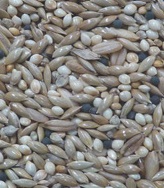
The most important thing you can do for your canary is feed a good quality, fresh seed mix. Our top pick is Birdsville Blends Finch and Canary (https://petsville.com.au/products/birdsville-blends-finch-canary-500g), which is 70% canary seed, blended with grains, fruit, vegetables and greens. For a plain everyday mix, try our Basic Canary Mix (https://petsville.com.au/products/avigrain-seed-canary-mix-2kg).
Why our seed is better: our seed and Birdsville Blends are very high quality. Many chain store mixes are bulked out with low quality grain and filler seed that your canary throws away, and that affects the health and vitality of your bird. Ours is bagged fresh on site from quality ingredients, with a high turnover so it never sits on a shelf for long. Because you’re buying direct from the people who mix it, you also get better value. Read more on our Canary Seed page (https://birdsville.net.au/seeds-grains/canary-seed/).
Other seeds canaries love include hulled oats, Niger Seed (https://petsville.com.au/products/avigrain-seed-niger-1kg) and Canary Plain Seed (https://petsville.com.au/products/avigrain-seed-canary-plain-2kg).
Seed for Singing, Breeding and Red Factor Canaries
To encourage singing, feed your canary a tonic seed mix, available in-store.
For breeding canaries, feed hulled oats and some niger during winter, and mostly plain canary seed in summer.
Red factor canaries need extra colour food to keep their red feathers bright, especially during the moult. Try Red Factor Canary Seed (https://petsville.com.au/products/passwell-red-factor-canary-seed-1-5kg).
Crumble
Of all the pellets available, we’ve found Vetafarm Finch and Budgie Crumbles (https://petsville.com.au/products/vetafarm-finch-budgie-crumbles-450g) suit canaries best. It has vitamins added, so it’s one of the few ways canaries can take in vitamins without adding them to the water.
Egg and Biscuit
Egg and biscuit is a valuable source of protein, and it’s used by canary breeders everywhere. Offer it a few times a week, and every day during breeding and the moult. Try Shep’s Egg and Biscuit (https://petsville.com.au/products/sheps-egg-biscuit-500g).
Fruit and Vegetable Guide
Sprouted Seed and Legumes
Alfalfa, buckwheat, mung beans and sesame seed. Rinse sprouts well and remove any that go mouldy.
Greens and Vegetables
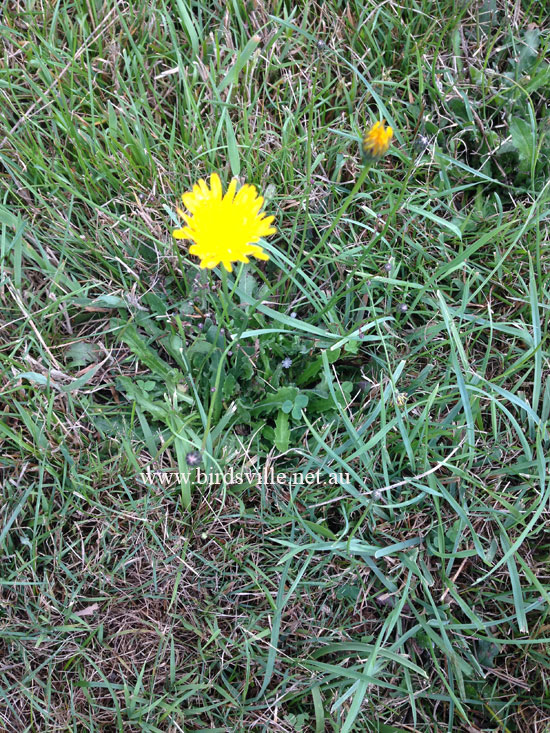
Bok choy, cabbage leaves, cauliflower leaves, spinach, collard greens, dandelion leaves, kelp, mustard leaves, watercress, silverbeet, chickweed, seeding grasses, cucumber, broccoli, carrot and carrot tops, peas, parsnip, squash and sweet potato.
Fruit
Small amounts of star fruit, apple, pear, berries, melon, citrus, stone fruit, kiwi fruit, mango and banana.
Avoid Entirely
Never feed your canary chocolate, onion, avocado, iceberg lettuce, raw dried beans (including raw or sprouted kidney beans), caffeine, alcohol or salty and sugary human food.
Treats
A seed bar like the Canary Delight Treat Bar (https://petsville.com.au/products/passwell-delight-canary-75g) is a treat and a forage toy in one.
Calcium, Iodine and Vitamins for Canaries
Every canary needs calcium, iodine and a regular vitamin boost, whatever its diet.
Grit and Calcium
Use a good quality fine grit containing baked egg shell, crushed cuttlebone, shell and limestone. Always put grit in its own dish, never mixed through the seed. Cuttlebone and calcium bells also do the job, a little less effectively. A Calcium and Charcoal Grit Button (https://petsville.com.au/products/calcium-charcoal-grit-button) or Cuttlebone with Stainless Steel Clip (https://petsville.com.au/products/avi-one-cuttlebone-with-stainless-steel-clip) is an easy option.
Iodine
Many canaries are low in iodine, so keep an iodine bell, perch or button in the cage at all times. Try the Iodine Grit Button (https://petsville.com.au/products/iodine-grit-button).
Vitamins
Add vitamins to the water regularly, and especially during the moult. Vetafarm Multivet (https://petsville.com.au/products/vetafarm-multivet-50ml) suits outdoor canaries.
Vitamin D
Canaries can’t use calcium properly without vitamin D, just like people. Birds make vitamin D from direct sunlight, but sunlight through a window doesn’t work. If your canary lives indoors without unfiltered sun, add a vitamin D supplement such as Vetafarm Soluvite D (https://petsville.com.au/products/vetafarm-soluvite-d-25g) or Calcivet (https://petsville.com.au/products/vetafarm-calcivet-50ml) to the water. This is why indoor breeders always use it.
Water for Canaries
Canaries eat and drink a lot, so fresh, clean water must be available at all times. Never let it get dirty.
Water bottles and tube drinkers are a great choice, because canaries find them very hard to soil, and they can’t bathe in them. That matters on a hot day, when a canary can splash all the water out of an open dish and be left with nothing to drink. Ask our team about the right drinker for your cage.
Housing Canaries
Canaries are active birds that fly from perch to perch, so give them the longest cage you have room for. Tiny cages are not recommended.
Cage Size
We recommend a minimum of 46cm (18 inches) long by 36cm (14 inches) deep for one canary. A longer cage is always better, because canaries fly side to side rather than climbing. Our team can help you choose the right cage in-store.
Where to Put the Cage
Keep the cage out of draughts, especially in winter, as a draught can chill a canary to the bone and make it sick. Keep it out of direct sun and away from the kitchen, as cooking fumes from non stick pans, aerosols and smoke can kill small birds.
Perches, Swings and Toys
Perches: Give your canary a variety of perches in different sizes to keep its feet healthy.
Swings: Important for exercise as well as enrichment.
Toys: Small toys with bells and bits to pick at. Leave space for flying, as canaries prefer room to move over a cage full of toys.
Cleaning
Clean the cage regularly and don’t let droppings build up on perches. Replace worn out feeders and perches. Use a bird safe cleaner such as Vetafarm Avicare (https://petsville.com.au/products/vetafarm-avicare-rtu-500ml) or F10 (https://petsville.com.au/products/f10-500ml-ready-to-use), as normal household disinfectants can be toxic to birds.
Can Canaries Live With Other Birds?
Female canaries get along well with males and other females, but never house male canaries together, as they fight. Canaries also get along well with finches. If you’re adding a new bird, keep it in quarantine in its own cage for at least 2 weeks before introducing it.
Bathing
A bird bath is essential for canaries, as they love to keep clean. Offer a Bird Bath (https://petsville.com.au/products/jw-insight-bathing-bird-bath) a few times a week and always keep the bathing water clean.
Staff Tip From the Birdsville Team
[Staff tip from your team, for example a tip on getting a canary singing or settling a new bird]
Worming and Lice and Mite Treatment
Worm indoor canaries every 6 months and outdoor canaries every 3 months, starting 2 weeks after you bring your bird home. Spray with mite and lice spray every 3 months, whether your canary lives inside or outside.
Avitrol Plus Bird Worm Syrup (https://petsville.com.au/products/fidos-avitrol-plus-bird-worm-syrup-25ml) goes straight into the drinking water, and Avitrol Mite and Lice Spray (https://petsville.com.au/products/fidos-avitrol-bird-mite-and-lice-spray-125ml) is easy to use. Always follow the directions on the bottle.
Sydney Seasonal Tips for Canaries
Summer: Hot Sydney days can be deadly for small birds. Keep the cage out of direct sun, offer a bath on hot days, and use a water bottle or tube drinker so your canary never runs out of water. Watch for panting or wings held away from the body, which are signs of heat stress.
Winter: Cold, draughty nights can chill a canary quickly. Move the cage away from doors and windows, cover it at night, and keep a heat lamp on hand for young or unwell birds. Winter is also when breeding canaries need hulled oats and niger in their diet.
Frequently Asked Questions About Canary Care
How long do canaries live?
Most pet canaries live 8 to 10 years, and some reach 15 with excellent care. A quality fresh seed blend, daily greens, egg and biscuit, calcium, iodine, vitamins and regular worming all help your canary live a long, healthy life. Low quality seed with filler is a common reason canaries fall short.
Do canaries need a companion?
No. Canaries are happy living alone and don’t need a bird friend the way budgies do. If you’d like more than one, females get along well together and with a male, but never house two males together, as they fight. Canaries also mix well with finches.
Do female canaries sing?
Generally, no. Male canaries are the singers, while females mostly chirp and call. Males sing most in spring and the breeding season, and often go quiet during the moult. A tonic seed mix, good diet and a calm, bright spot for the cage all help encourage your canary to sing.
How big should a canary cage be?
As a minimum, one canary needs a cage about 46cm long and 36cm deep, but longer is always better. Canaries fly side to side rather than climbing, so a long cage with perches at each end gives them room to exercise. Tiny cages are not recommended for these active birds.
What should I feed my canary every day?
Feed a quality canary seed blend every day, plus fresh greens and vegetables, a little crumble and clean water. Add egg and biscuit a few times a week, and keep grit, cuttlebone and an iodine source in the cage. Avoid chocolate, onion, avocado, lettuce and salty or sugary human food.
Why has my canary stopped singing?
The most common reason is the moult, when canaries often stop singing for several weeks while they replace their feathers. Stress, a new home, illness or a poor diet can also quieten a canary. Give it a quality seed blend, vitamins and a calm spot, and see a vet if it also looks unwell.
Visit Birdsville
We’re a small business that does things in a big way. With no one telling us how to run things, we can keep our seed, blends and products the best of the best.
Not in Sydney? Every product in this guide can be ordered online through Petsville (https://petsville.com.au/) and delivered anywhere in Australia.
In Sydney? Visit us at Birdsville, 684 Botany Road, Alexandria NSW 2015, on the corner of Gardeners Road, servicing the Eastern Suburbs and Inner South Sydney, or call us on (02) 9669 1766. Bring your canary in any time if you have a question.
Looking for a canary? See our canaries for sale (https://birdsville.net.au/animals-for-sale/birds-for-sale/finches-for-sale/exotic-finches-for-sale/canary/), including Border Canaries (https://birdsville.net.au/animals-for-sale/birds-for-sale/finches-for-sale/exotic-finches-for-sale/canary/border-canaries-for-sale-sydney/), Red Factor Canaries (https://birdsville.net.au/animals-for-sale/birds-for-sale/finches-for-sale/exotic-finches-for-sale/canary/red-factor-canaries-for-sale-sydney/) and Stafford Canaries (https://birdsville.net.au/animals-for-sale/birds-for-sale/finches-for-sale/exotic-finches-for-sale/canary/stafford-canary-for-sale-sydney/). Going away? We board canaries too. See our Bird Boarding in Sydney page (https://birdsville.net.au/parrot-bird-boarding-sydney/).
For live updates, photos and what’s new in store, follow us on TikTok [TikTok link], Facebook (https://www.facebook.com/BirdsvilleRosebery/) and Instagram (https://www.instagram.com/petsvillesydney/).
Recommended Vets and Links
SASH (Small Animal Specialist Hospital), open 24/7 for emergencies
02 8913 4000
5/476 Gardeners Road, Alexandria NSW 2015
sashvets.com
The Wild Vet
1300 945 3838
22A Bridge Road, Glebe
thewildvet.com.au
SERV
02 9436 4884
57 to 63 Herbert Street, Artarmon
exoticsvet.com.au
Southern Cross Veterinary Clinic
02 9516 0234
60 Princes Highway, St Peters
southerncrossvet.com.au
Carlingford Animal Hospital
02 9871 6036
772 Pennant Hills Road, Carlingford
birdhealth.com.au
The Unusual Pet Vets
02 9319 6111
995 Bourke Street, Waterloo NSW 2017
unusualpetvets.com.au
Vetafarm (bird health products and advice)
vetafarm.com.au
More reading: The Unusual Pet Vets Canary Care Sheet (https://www.unusualpetvets.com.au/wp-content/uploads/2018/05/Canary-care.pdf)