Written by the Birdsville team. Last updated October 2026.
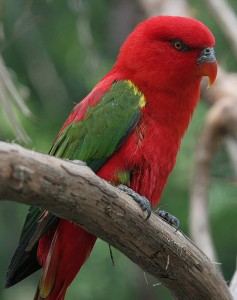
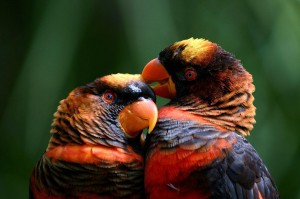
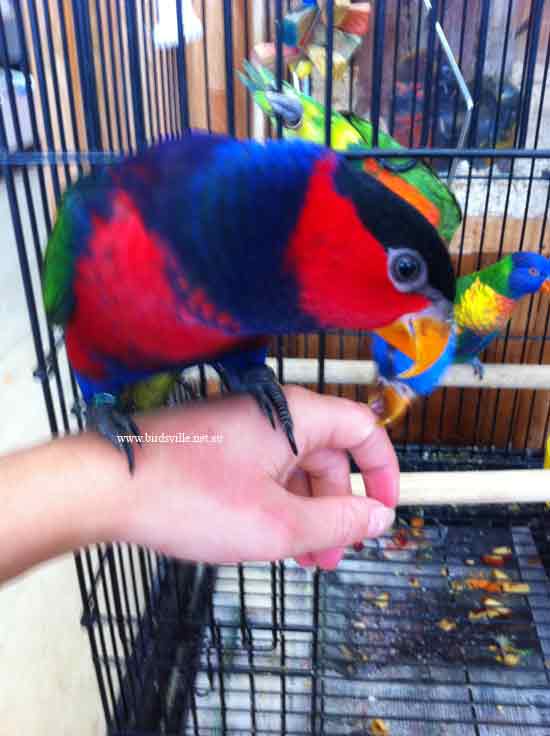
The black capped lory is a stocky, brilliantly coloured lory from New Guinea, with a black cap, red head and body, green wings and blue belly. It’s sometimes called the tricoloured lory. Black capped lories are playful, intelligent and full of character, but like all lories they’re nectar feeders, not seed eaters. Getting the diet right is the most important part of black capped lory care. This guide covers what to feed a black capped lory, housing, toys, calcium, worming, breeding and handling.
Black Capped Lory Quick Facts
Scientific name: Lorius lory
Also known as: Black Cap Lory, Tricoloured Lory, Western Black-capped Lory
Native range: New Guinea and nearby smaller islands
Habitat: lowland forest and surrounding regrowth
Adult length: around 31 cm
Adult weight: around 200 to 260 grams
Lifespan: up to 25 to 30 years with good care
Diet: lorikeet dry or wet nectar mix, soft fruit, vegetables and greens
Seed: not suitable as a main diet
Sexing: DNA test only, males and females look the same
Clutch: usually 2 eggs, incubated for about 24 days
Noise level: loud
Experience level: best with some parrot experience
On This Page
Black Capped Lories as Pets
Essential Supplies for Black Capped Lories
Housing
Toys & Enrichment
Diet & Feeding
Providing Water and Baths
Calcium and Vitamins
Behaviour & Handling
Training
Common Health Issues
Parasite Control
Health, Hygiene & Safety
Toxic & Dangerous Hazards
Sexing
Breeding
Record Keeping
Holiday Care
Transportation
Compatibility with Other Birds
Frequently Asked Questions
Recommended Vets and Links
Black Capped Lories as Pets
A hand raised black capped lory makes a bold, playful and affectionate pet for an owner who’s ready for noise and mess. Lories are clowns. They love to play, wrestle toys, hang upside down and bathe. They’re also excellent mimics of sounds. The World Parrot Trust records one captive pair that learned to copy chickens, gulls, steam whistles and yelping dogs (https://parrots.org/encyclopedia/black-capped-lory/).
There are seven subspecies of black capped lory, and their colours vary quite a bit, especially the amount of blue and purple on the chest and belly.
Before you commit, know that black capped lories have loud calls and, because of their nectar diet, very runny droppings. Daily cleaning is part of owning one.
Essential Supplies for Black Capped Lories
Housing
The largest cage or aviary you can fit and afford
Natural wood perches of different thicknesses
Separate dishes for dry food, wet food, fresh food and water
Cage liners or newspaper for the tray
Food
Birdsville Blends Lorikeet Dry (https://petsville.com.au/products/birdsville-blends-lorikeet-dry-1kg)
A wet nectar mix such as Vetafarm Forest Fusion Lori Diet (https://petsville.com.au/products/vetafarm-forest-fusion-lori-diet-450g)
Soft fruit, vegetables and greens every day
Health
Vetafarm Calcivet (https://petsville.com.au/products/vetafarm-calcivet-50ml)
Vetafarm Multivet (https://petsville.com.au/products/vetafarm-multivet-50ml)
Vetafarm Wormout Gel (https://petsville.com.au/products/vetafarm-wormout-gel-50ml)
Avitrol Mite & Lice Spray (https://petsville.com.au/products/fidos-avitrol-bird-mite-and-lice-spray-125ml)
Enrichment
Bainbridge Chew Me! Swing (https://petsville.com.au/products/bainbridge-chew-me-swing)
Natural Chew Toy (https://petsville.com.au/products/nat-island-natural-chew-toy-birds)
A shallow bird bath
What You May Consider
Passwell Lorikeet Treat Bar (https://petsville.com.au/products/passwell-delight-lorikeet-75g)
Dried paw paw (https://petsville.com.au/products/dried-fruit-paw-paw-papaya-150gm)
Vetafarm Avicare cage disinfectant (https://petsville.com.au/products/vetafarm-avicare-rtu-500ml)
A nest box and nesting substrate, available in-store, for breeding pairs
Housing
A black capped lory needs a large cage or aviary with room to fly, climb, hang upside down and play, and the bigger the better. Choose a cage with a deep tray and seed guards to help contain the mess. Give your bird natural wood perches of different thicknesses to keep its feet healthy, plus swings and ladders for exercise.
Black capped lories also do very well in a large planted aviary, as long as it has a fully sheltered section away from wind and rain.
Sydney seasonal tip: Wet nectar sours quickly in hot Sydney weather, sometimes within a few hours. In summer, give small amounts of wet food and replace them often, or rely mainly on a dry lorikeet food that won’t spoil. Offer a bath every day when it’s hot. In winter, keep cages out of draughts and cover part of an outdoor aviary against cold southerly winds.
Toys & Enrichment
Black capped lories need daily enrichment to stay happy and healthy, because these busy, clever birds get bored quickly. Before taking over Birdsville, Ash worked as a zoo keeper, where varied daily enrichment for every animal was a must, and a pet lory needs the same.
Offer toys they can chew, shred, wrestle and swing on, such as rope, leather and wood toys, bells, balls, ladders and swings. Lories love flowering branches too. Bottlebrush, grevillea, eucalyptus, melaleuca and hibiscus give them real nectar and pollen to forage for. Collect only from unsprayed areas and wash everything well first. See our Natural Bird Toys page (https://birdsville.net.au/natural-toys/) for more ideas.
Rotate toys every week or two so your lory always has something new to explore.
Diet & Feeding
Black capped lories need a nectar replacement diet, not a seed mix. In the wild they feed on nectar, pollen, flowers and soft fruit. Their brush tipped tongues are covered in tiny hair-like papillae that soak up nectar and pollen. Lories have a fast metabolism, so keep food available all day.
Dry Lorikeet Food
Our top pick, and our biggest seller for lories and lorikeets, is Birdsville Blends Lorikeet Dry (https://petsville.com.au/products/birdsville-blends-lorikeet-dry-1kg). It’s a balanced dry alternative to nectar made for lories, lorikeets and other nectar feeders, and they love it as an everyday food or a treat. Because it’s fed dry, it doesn’t sour like wet nectar. We blend it fresh with a high turnover, so it never sits on a shelf, and buying from the people who make it means better value. Avoid many supermarket and chain store lorikeet foods, which are often low quality and affect your bird’s health and vitality. With any dry food, fresh drinking water must always be available.
Wet Lorikeet Food
Wet mixes are made up with water, so your lory will drink less, though fresh water is still a must. Good options include Vetafarm Forest Fusion Lori Diet (https://petsville.com.au/products/vetafarm-forest-fusion-lori-diet-450g), Wombaroo Lorikeet & Honeyeater Food (https://petsville.com.au/products/wombaroo-lorikeet-honeyeater-food-1-5kg) and Passwell Complete Lorikeet (https://petsville.com.au/products/passwell-complete-lorikeet-1kg). Throw out uneaten wet food within a few hours.
Feeding Young Birds
Young black capped lories should have both wet and dry food, in separate dishes. Once they’re eating well, they can be weaned onto dry food only.
Fruits & Veggie Guide
Fruits
Soft fruits such as paw paw, mango, pear, apple, melon, grapes, berries and pomegranate.
Vegetables and Greens
Sweet potato, carrot, corn, broccoli, silverbeet and other dark leafy greens. Orange vegetables are rich in vitamin A, which helps protect lories against infection.
Treats
Safe flowers, dried paw paw (https://petsville.com.au/products/dried-fruit-paw-paw-papaya-150gm) and the Passwell Lorikeet Treat Bar (https://petsville.com.au/products/passwell-delight-lorikeet-75g).
Avoid Entirely
Avocado, onion, chocolate, caffeine and alcohol.
Providing Water and Baths
Fresh, clean water must be available to your lory at all times, especially if it eats dry food. Change it daily and scrub the dish, because nectar quickly makes water sticky and dirty. Black capped lories need a daily bath to keep their feathers clean, since their liquid diet makes them messy. A shallow dish of water or a gentle misting both work.
Calcium and Vitamins for Black Capped Lories
Black capped lories need calcium added to their water, because the shape of their beak and tongue means they rarely use a cuttlebone. Add Calcivet (https://petsville.com.au/products/vetafarm-calcivet-50ml) to the water a few days a week, and offer dark leafy greens daily. Calcium matters most for breeding hens, as a lack of it is the most common reason lories break or eat their eggs.
Add a vitamin supplement such as Vetafarm Multivet (https://petsville.com.au/products/vetafarm-multivet-50ml) to the water every two to three days, to cover nutrients often missing from captive diets.
Behaviour & Handling
Let a new black capped lory settle in for a few days before handling it much. After that, handle it daily in a quiet, relaxed setting, but don’t overstress it in the first few weeks. Lories are confident and can get nippy when overexcited, so keep sessions calm and end them on a good note. The more time you spend with your bird, the better it becomes. If biting becomes a problem, see our Parrot Biting page (https://birdsville.net.au/parrot-biting/).
Training Your Black Capped Lory
Black capped lories are clever and learn quickly with short, positive training sessions. Reward good behaviour with a treat or praise, ignore unwanted behaviour, and never punish your bird. Start with step up, then move on to tricks. Our How to Train Your Parrot page (https://birdsville.net.au/pet-bird-advice-and-training/bird-training-clicker-training-parrot-body-language/) explains more.
Common Health Issues in Black Capped Lories
Yeast and Fungal Infections
The sugar in a nectar diet and spoiled wet food can lead to yeast and fungal infections. Watch for lethargy, a fluffed up bird, or changes in droppings. Keep food fresh, wash dishes daily, feed vitamin A rich vegetables, and see an avian vet if your lory isn’t acting normally.
Egg Breaking and Egg Eating
Breeding black capped lories sometimes break or eat their eggs, most often because of a lack of calcium. Calcivet in the water before and during breeding usually helps.
Psittacine Beak and Feather Disease (PBFD)
PBFD is a virus that affects feathers, beak and the immune system, and lories can catch it. A healthy diet, a clean home and low stress give your bird the best chance. Any lory with feather loss should be tested by an avian vet. For more conditions, see Common Bird Illnesses (https://birdsville.net.au/common-bird-illnesses/).
Feather Plucking
Boredom, stress and poor diet can lead to plucking. See our Feather Plucking page (https://birdsville.net.au/pet-bird-advice-and-training/feather-plucking/).
Parasite Control for Black Capped Lories
Worm your black capped lory every 6 months. A newly bought bird should be wormed a few weeks to two months after it comes home. Check with our team when you buy your bird. Vetafarm Wormout Gel (https://petsville.com.au/products/vetafarm-wormout-gel-50ml) goes in the drinking water, with the dose on the label.
For lice and mites, spray your bird, the whole cage, perches, nest box and toys with Avitrol Mite & Lice Spray (https://petsville.com.au/products/fidos-avitrol-bird-mite-and-lice-spray-125ml). Remove food and water first and avoid the eyes.
Keep any new bird in a separate cage for 4 to 6 weeks before it meets your other birds.
Health, Hygiene & Safety
Lories are messy, so cleaning is a daily job.
Daily: change water, replace wet and fresh food, wash dishes and change the tray liner.
Weekly: scrub perches and toys, and wipe down the cage.
Monthly: fully disinfect the cage with Vetafarm Avicare (https://petsville.com.au/products/vetafarm-avicare-rtu-500ml).
Never let old food build up in the cage, on perches or in feeders.
Toxic & Dangerous Hazards
For foods to avoid, see the Avoid Entirely list in the Fruits & Veggie Guide above.
Around the home, keep your lory away from fumes from non stick (Teflon) cookware, aerosol sprays and scented candles. Also watch for ceiling fans, open windows and doors, mirrors, open water like sinks and mugs, electrical cords, toxic plants, and cats and dogs. Always supervise time out of the cage.
Sexing Black Capped Lories
Male and female black capped lories look identical, so the only reliable way to sex one is a DNA test through an avian vet. This matters most if you plan to breed a pair.
Breeding Black Capped Lories
Black capped lories usually start breeding at around 2 years old. A breeding pair needs a nest box filled with nesting substrate, both available at Birdsville. Clutches are usually 2 eggs, incubated for about 24 days. Chicks left with their parents fledge at around 9 to 10 weeks and are fully mature by about 11 months. Chicks being hand raised are usually taken from the nest at around 2 weeks old. Some pairs breed up to three times a year, so give breeding hens extra calcium. See our Hand Raising Baby Birds page (https://birdsville.net.au/hand-raising-baby-birds/) if you plan to hand raise.
Record Keeping
Keep a simple diary for your lory: worming and mite treatment dates, vet visits, weight checks, breeding dates and any changes in droppings or behaviour. It helps you spot problems early and gives your vet a useful history.
Holiday Care
A lory needs fresh food, water and a bath every day, and wet food more often in summer. Arrange for someone to visit at least once daily while you’re away. For longer trips, see Bird Boarding in Sydney (https://birdsville.net.au/parrot-bird-boarding-sydney/).
Transportation
Always move a lory in a secure, ventilated carrier. Keep trips short and the car at a comfortable temperature, and never leave your bird in a parked car. See our Carry Cages page (https://birdsville.net.au/carry-cages/) for options.
Compatibility with Other Birds
Black capped lories mix well in larger aviaries with other black capped lories, Moluccan lories and similar sized lories. As with people, though, some individuals have a bad attitude, so introduce new birds carefully.
Here’s a tip from our team. Use a “soft release” cage. After quarantine, put the new bird in a cage inside the aviary for about two weeks, so the birds can see each other, interact through the wire and adjust. Then release the new bird into the aviary. This stops the established birds mobbing the newcomer.
Black Capped Lory Frequently Asked Questions
Do black capped lories make good pets?
Yes, for an owner with some parrot experience. Black capped lories are playful, intelligent and affectionate, and hand raised birds bond closely with their people. They’re also loud and messy, and need a nectar diet, daily baths and plenty of time out of the cage, so they suit owners who have kept birds before.
Can black capped lories talk?
Some do. Black capped lories can learn a few words and are excellent mimics of sounds. The World Parrot Trust records one captive pair copying chickens, gulls, steam whistles and dogs. Talking to your bird regularly and rewarding every attempt gives it the best chance of picking up words.
How long do black capped lories live?
Black capped lories can live 25 to 30 years with good care, and the oldest recorded in zoos reached just over 30. Many die well short of that, usually from poor diet or infection, so a fresh nectar diet, clean dishes and regular vet checks make a real difference to your bird’s lifespan.
What do black capped lories eat?
Black capped lories are nectar feeders, not seed eaters. Feed a quality lorikeet diet such as Birdsville Blends Lorikeet Dry, with or without a wet nectar mix, plus soft fruit, vegetables and greens every day. Keep fresh water available at all times, especially when feeding dry food.
Are black capped lories noisy?
Yes. Black capped lories have loud, shrill calls, especially in the morning and evening, and they get noisier when bored. Plenty of toys, foraging and daily company help keep the noise down, but they suit a house with understanding neighbours much better than an apartment.
Can I buy a black capped lory in Sydney?
Black capped lories are rarely in stock at Birdsville, but we sometimes rehome them through our Sydney Pet Bird Rescue program. Call us on (02) 9669 1766 to ask, or follow our Facebook, Instagram and TikTok for new arrivals and birds looking for a new home.
Recommended Vets and Links
SASH (Small Animal Specialist Hospital), 02 8913 4000, 5/476 Gardeners Rd, Alexandria NSW 2015, sashvets.com (24/7 emergency)
The Wild Vet, 1300 945 3838, 22A Bridge Road, Glebe, thewildvet.com.au
SERV, 02 9436 4884, 57-63 Herbert St, Artarmon, exoticsvet.com.au
Southern Cross, 02 9516 0234, 60 Princes Hwy, St Peters, southerncrossvet.com.au
Carlingford Animal Hospital, 02 9871 6036, 772 Pennant Hills Road, Carlingford, birdhealth.com.au
The Unusual Pet Vets, 02 9319 6111, 995 Bourke Street, Waterloo NSW 2017, unusualpetvets.com.au
Vetafarm, vetafarm.com.au
Related Birdsville pages: Rainbow Lorikeet (https://birdsville.net.au/animals-for-sale/birds-for-sale/lori-and-lorikeet/rainbow-lorikeet/), Sydney Pet Bird Rescue (https://birdsville.net.au/re-homing-parrot-adoption/), Hand Raising Baby Birds (https://birdsville.net.au/hand-raising-baby-birds/), Birdsville Blends (https://birdsville.net.au/birdsville-blends/).
Visit Birdsville for Black Capped Lory Supplies
Lory food, cages, nest boxes and everything else your black capped lory needs are available in-store at Birdsville, 684 Botany Road, Alexandria NSW 2015, servicing the Eastern Suburbs and Inner South Sydney. Black capped lories are rarely in stock, but we sometimes rehome them through Sydney Pet Bird Rescue (https://birdsville.net.au/re-homing-parrot-adoption/), so call ahead to check. Visit us or call (02) 9669 1766. Follow us on Facebook (https://www.facebook.com/BirdsvilleRosebery/), Instagram (https://www.instagram.com/petsvillesydney/) and TikTok (https://www.tiktok.com/@birdsvillepets) for live updates.
About Birdsville
Birdsville has been trading in Sydney since 1985, and we believe we’re now the oldest bricks and mortar bird shop still open in Australia. Owner Ash brings experience from vet clinics and from zoo keeping at the Rainforest Habitat in Port Douglas, now Wildlife Habitat. We’re a small business that does things in a big way. Nobody tells us how to run things, so we keep our products the best of the best.
Sources
Size, weight, clutch, fledging and mimicry: World Parrot Trust (parrots.org)
Lifespan in zoos: Young et al., zoo longevity study (PubMed Central)
Diet, housing, enrichment, worming, breeding and soft release advice: Ash and the Birdsville team
Product details: Petsville product listings