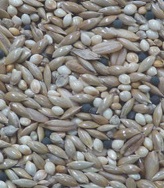
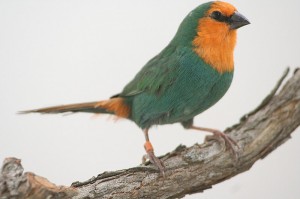
The best bird treats are natural, nutrient-dense, and given in moderation alongside a balanced daily diet. Below is our pick of what actually works well for pet birds, from ready-made favourites you can buy in-store or online, to simple treats you can make yourself, plus tips on sprouting seed and getting a fussy eater to try something new.
On This Page
What Are the Best Bird Treats to Buy?
DIY Bird Treats You Can Make at Home
How to Sprout Seed for Your Birds
Why Is Sprouted Seed So Good for Your Bird?
The Health Risks of Sprouted Seed
Tips for Fussy Eaters
Giving Worming Treatment to a Fussy Bird
Frequently Asked Questions
What Are the Best Bird Treats to Buy?
The best bird treats are natural, minimally processed, and close to what your bird would genuinely forage for in the wild, think seed heads, whole nuts, dried fruit and the occasional foraging challenge, rather than sugary or artificially flavoured mixes.
Natural Whole Food Treats
Millet Spray is the classic bird treat, and for good reason. Budgies, cockatiels, canaries and finches will happily spend twenty minutes picking seed off a single spray, which makes it as much enrichment as it is food. Dried Paw Paw and Banana Chips are naturally sweet without the added sugar of cheaper treat mixes, and both make an easy, mess-free way to add variety.
Nut and Seed Treats
Nut Magic and the Troppo Blue Fruit & Nut Medley combine seeds, nuts and dried fruit into a single treat mix, genuinely useful but energy-dense, so a small handful goes a long way. For larger parrots like macaws, cockatoos and Eclectus, shelled almonds, walnuts and peanuts are a satisfying, protein-rich treat in bigger pieces than a budgie or cockatiel would manage. Smaller birds do better with these chopped into smaller pieces.
Foraging and Enrichment Treats
Lafeber’s Nutri-Berries are made from whole grains pressed into a shape your bird has to pick apart rather than simply swallow, which turns feeding time into genuine mental stimulation. The same goes for treat-and-toy combinations like Beakjoy’s Peck ‘n’ Bloom Balls and Sola Ball’n’Coco, which hide the treat inside something your bird has to work at, ideal for a bird that’s bored, anxious or noisy, since the effort of foraging burns off the same energy that might otherwise go into unwanted behaviour.
Species-Specific Treat Bars
The Passwell Delight range is the simplest way to add a treat without any extra effort, just clip a bar to the cage. It comes in budgie, parrot, canary, lorikeet, combo, nutty and fruity varieties, so it’s easy to match the bar to your species and your bird’s taste.
A Fun Fact: Why Chillies Are a Safe Treat for Birds
It surprises a lot of new owners, but chillies are completely safe for birds, and actually a great treat. Birds lack the receptor that makes capsaicin taste hot to mammals, so a chilli that would floor a person registers as a mild, nutrient-rich snack to a parrot, packed with vitamin A and antioxidants. We stock Whole Chillies and Birdeye Chillies in-store and online if you want to try it.
DIY Bird Treats You Can Make at Home
Homemade treats are a great way to add variety without much cost. A few simple, bird-safe options: skewer chunks of fresh fruit and vegetable onto a foraging stick for a treat your bird has to work for. Mix a scoop of Nut Magic or your bird’s regular seed mix into mashed sweet potato or pumpkin, roll into small balls, and dehydrate or bake on low heat until firm. Or make a simple birdie bread using cooked egg, mixed vegetables and a gluten-free flour base, baked in a muffin tray for easy, mess-free portions.
Whatever you make, keep it free of salt, added sugar, avocado, chocolate, caffeine and onion, all of which are toxic or harmful to birds, and treat these as occasional extras rather than a replacement for a balanced daily diet.
How to Sprout Seed for Your Birds
Sprouting seed at home takes a few days and almost no equipment, just seed, water and a container.
Start with high-grade seed. This part can be confusing, since every online shop and chain store claims to sell good-quality seed. The simplest way to cut through it is to ask a bird specialist rather than trust the packaging alone, our Birdsville seed is the one we’d feed our own birds, which is exactly why people travel to us for it.
Choose a container sized for how much sprouted seed you want to end up with. Rinse your seed, place it in the container, and cover it with water to about 2cm above the level of the seed.
Add Aviclens to the water and mix it through. This helps stop the fungal growth that can occur during soaking, which is dangerous for birds if left unchecked. Follow the dosing directions on the bottle.
Leave the seed to soak for 5 to 25 hours. Larger grains and colder temperatures need more time, smaller grains and warmer temperatures need less.
Drain the seed into a sieve and rinse it thoroughly, then spread it out on a mesh tray or large sieve to air dry.
Rinse the seed every 24 hours, more often in hot weather, for the next 2 to 3 days. This keeps it from drying out while it germinates.
Once it’s germinated, which you’ll see as cracked husks or tiny roots starting to show, you can feed it fresh or store it in the refrigerator.
Why Is Sprouted Seed So Good for Your Bird?
Sprouting unlocks nutrients that are otherwise locked inside a dry seed’s hard outer coating. The germination process activates enzymes that break this coating down, making the seed easier for your bird to digest and increasing how much of the nutrition it actually absorbs.
The nutrient profile itself changes for the better too. Sprouted seed is generally lower in fat than dry seed, and higher in bioavailable plant protein, calcium, B vitamins and antioxidants, all of which support muscle, feather and general health. It also mimics what parrots eat in the wild, where fresh, just-sprouted seeds and greens make up a large part of a natural diet, rather than the dry, stored seed most pet birds are used to.
The Health Risks of Sprouted Seed
There is a real risk of candida, a fungal infection, when feeding any sprouted seed mix, even when it’s prepared correctly. That risk increases significantly if the sprouting process is done incorrectly, most often through poor rinsing or seed left to sit too long in warm, stagnant water. You can read more about candida and other fungal infections on our Common Bird Illnesses page.
Despite this risk, the benefits of feeding sprouted seed to your birds far outweigh it, as long as you rinse regularly, keep the seed moving through fresh water, and discard any batch that looks slimy or smells off.
Tips for Fussy Eaters
Getting a fussy bird to try something new takes patience more than anything else. Offer the new food alongside familiar favourites rather than swapping it in cold, and keep offering it consistently, it can take repeated exposure over several weeks before a suspicious bird will try it. Varying how you present it, whole, chopped, warmed, or skewered on a foraging toy, can also help, and eating the new food yourself in front of your bird often sparks genuine curiosity, since parrots are naturally drawn to what their flock is eating.
Giving Worming Treatment to a Fussy Bird
For most birds, Wormout Gel diluted into their drinking water is the easiest way to worm them, since they dose themselves naturally as they drink over the treatment period. If your bird is fussy and avoids water that tastes different, a small splash of a mild, appealing juice can help mask the taste, just be careful not to dilute the mixture so much that it affects the dose. Always follow the dosing directions on the product exactly, and check with one of our recommended avian vets if you’re ever unsure.
Best Bird Treats: Frequently Asked Questions
How often should I give my bird treats?
Treats should make up no more than about 10% of your bird’s daily diet, with the rest coming from a balanced pellet, seed and fresh food mix. A small piece of treat bar, a few nuts, or a spray of millet a few times a week is plenty for most birds, more than that can crowd out proper nutrition.
How long does it take to sprout bird seed?
Most seed sprouts within 5 to 25 hours of soaking, though the exact time depends on the grain size and the temperature in your home. Smaller grains in warm weather sprout fastest, while larger grains in cooler conditions can take closer to a full day before you’ll see cracked husks or tiny roots.
Is sprouted seed safe for all bird species?
Sprouted seed suits most seed-eating birds, from budgies and cockatiels through to larger parrots, as part of a varied diet. It shouldn’t replace a balanced pellet or seed mix entirely, and if you’re ever unsure whether it suits your particular species, check with one of our recommended avian vets first.
Can I feed sprouted seed every day?
Yes, many owners feed a small amount of fresh sprouted seed daily alongside their bird’s regular diet. Just prepare it in small batches so it stays fresh, keep any leftovers refrigerated, and discard anything that looks slimy or smells off rather than risk feeding spoiled sprouts.
Why won’t my bird try new foods?
Parrots are naturally cautious about unfamiliar food, a survival instinct from the wild where an unknown item could be dangerous. Building trust takes repetition, so keep offering small amounts of the new food alongside familiar favourites, and try eating it yourself in front of your bird to spark its curiosity.
Are homemade bird treats safe?
They can be, as long as you stick to bird-safe ingredients and avoid salt, sugar, avocado, chocolate, caffeine and onion, all of which are toxic or harmful to birds. Keep portions small, since treats should only ever make up a minor part of a balanced diet.
What’s the easiest way to give my bird worming treatment?
For most birds, diluting Wormout Gel in their drinking water works well, since they’ll dose themselves as they drink normally over the treatment period. If your bird is fussy about the taste, a small splash of juice can help, without diluting the mix so much that it affects the dose.
Come in and browse our full range of treats in-store, or check them out online through Petsville, and our team can help you match the right one to your bird.