Last updated: October 2026
Written by the Birdsville team. Cockatiels have been part of our Alexandria store since we opened in 1985.
The best food for cockatiels is a quality seed blend, with pellets, fresh greens and vegetables, millet sprays and a calcium source added. Cockatiels are one of the easiest birds to feed because their diet is simple compared with many other species, but plain seed on its own leaves gaps in vitamins and minerals. This page covers what wild cockatiels eat, the seed blend we recommend, how much to feed, supplements and the foods to avoid. Our own Birdsville Blends Cockatiel and Lovebird (https://petsville.com.au/products/birdsville-blends-cockatiel-lovebird-500g) is made fresh in small batches at the Alexandria store in Sydney.
Avoid the low quality seed sold in many chain stores, where the box is often worth more than the seed inside. A lot of these mixes are bulked out with filler seed and grit. We ask our customers to try a simple test: put our seed in one dish and their current seed in another, then watch which one the cockatiel actually eats.
Cockatiel Food Key Takeaways
The best food for cockatiels is a quality seed blend, plus pellets, fresh greens, vegetables and a calcium source.
Birdsville recommends a cockatiel diet of at least 60% seed and grains, up to 30% pellets, and the rest fresh greens, vegetables and a little fruit.
Cockatiels come from the dry inland of Australia, where they feed on the ground on grass seeds and native plant seeds.
An adult cockatiel eats about one to two level tablespoons of seed a day.
Millet sprays are especially useful for young weaning cockatiels, older birds and stressed birds.
Baby cockatiels should have unlimited seed until at least 14 weeks old before any change to pellets.
Birdsville Blends Cockatiel and Lovebird is hand mixed at Birdsville in Alexandria, Sydney, with 21 natural ingredients.
Cockatiel seed, pellets and supplements are sold at Birdsville, 684 Botany Road, Alexandria, and online through Petsville.
Cockatiel Food Quick Facts
Cockatiel: Nymphicus hollandicus, known in Western Australia as the weiro
Native range: semi arid and arid inland Australia
Adult size: about 30 to 33cm long, including the tail
Adult weight: about 80 to 100g
Lifespan: about 15 to 20 years, sometimes longer
Feeding style: ground forager on seeds and grains
Birdsville’s recommended balance: at least 60% seed blend, up to 30% pellets, the rest fresh food
Daily seed amount: one to two level tablespoons
Calcium: cuttlebone or mineral bell at all times
Breeding pairs: daily egg and biscuit food
Water: fresh every day, with vitamins added regularly
What Do Cockatiels Eat in the Wild?
Wild cockatiels eat mostly grass seeds and the seeds of native plants, which they pick up while feeding on the ground.
The cockatiel (https://en.wikipedia.org/wiki/Cockatiel) is a small member of the cockatoo family found across Australia’s dry inland. Flocks travel long distances after rain, feeding on seeding grasses, native shrubs and spilled grain. That’s why a seed blend makes such a good base for pet cockatiels: small grass seeds like millet and canary seed are close to what their bodies are built to eat. Pet cockatiels fly far less than wild ones, though, so fresh vegetables, pellets and a calcium source fill the gaps that dry seed leaves.
Which Seed Blend Should You Feed a Cockatiel?
For most pet cockatiels, we recommend Birdsville Blends Cockatiel and Lovebird (https://petsville.com.au/products/birdsville-blends-cockatiel-lovebird-500g), which our team makes up by hand on site.
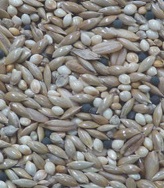
White French millet and hulled oats form the base, joined by legumes such as mung beans, split peas and red lentils, plus niger, pumpkin seeds and sunflower kernels. Dried vegetables, fruit, coconut, herbs and flower petals go in too, so each bowl gives a cockatiel far more than plain seed. Cockatiel and Lovebird comes in 500g, 1kg and 2kg bags. For a straightforward everyday seed, Basic Cockatiel Mix (https://petsville.com.au/products/avigrain-seed-cockatiel-blue-2kg), also sold as Avigrain Cockatiel Blue, contains canary seed, white French millet, Japanese millet, panorama, shirohie millet, safflower, hulled oats and grey striped sunflower, with sunflower kept to 10%.
Steer clear of cheap seed mixes full of grit, coloured pieces and filler seed. Poor quality mixes are linked to poor condition and fatty liver disease in cockatiels, so ask a bird specialist which mix they feed.
Should Cockatiels Eat Pellets?
Yes, pellets are a useful part of a cockatiel’s diet, but at Birdsville we keep them to about 30%, with seed as the main food.
Pellets carry vitamins, minerals and protein in every piece, which helps balance a seed diet. For cockatiels we suggest Vetafarm Nutriblend Pellets Mini (https://petsville.com.au/products/vetafarm-nutriblend-pellets-mini-350g), sized for small parrots. Vet advice varies here. The Unusual Pet Vets’ cockatiel care sheet (https://www.unusualpetvets.com.au/wp-content/uploads/2020/07/cockatiel-weiro-care-sheet.pdf) puts pellets at 30 to 50%, while our experience is that cockatiels thrive with seed as the main food, much like their wild diet. To introduce pellets, put them in their own bowl next to the seed and increase the amount slowly, as cockatiels usually eat their seed first. Never switch a baby cockatiel to pellets. Young birds need unlimited seed until at least 14 weeks old.
How Much Food Does a Cockatiel Eat?
Most adult cockatiels get through one to two level tablespoons of seed daily, along with their pellets and vegetables.
Spent husks build up over the seed and can fool you into thinking the bowl is full, so clear them off each morning before refilling. Give fresh food early in the day and take it away by mid afternoon. Cockatiels can put on weight if they’re fed too much sunflower or kept in a small cage, so a monthly weigh on digital kitchen scales is a good habit.
What Vegetables and Fruit Do Cockatiels Eat?
Offer a cockatiel greens and vegetables daily. Fruit is optional, because plenty of cockatiels barely touch it.
What Vegetables Can Cockatiels Eat?
Good choices include seeding grasses, carrot tops, broccoli and broccoli leaves, bok choy, kale, endive, spinach, parsley, peas, beans, corn, zucchini, squash, sweet potato, carrot and pumpkin. Offer greens clipped to the cage bars or chopped into a small dish. Freshly picked seeding grasses are a favourite, provided nothing has been sprayed on them.
What Fruit Can Cockatiels Eat?
Small pieces of apple, rockmelon, banana, pear, peach and kiwifruit can all be offered. Don’t worry if your cockatiel ignores fruit. Greens and vegetables matter far more for cockatiels, and too much fruit adds unnecessary sugar.
Is Sprouted Seed Good for Cockatiels?
Yes. Once seed sprouts it becomes softer, less fatty and richer in vitamins, which makes it a great fresh food for cockatiels. Our staff tip below explains how we sprout seed safely, and our Best Bird Treats page (https://birdsville.net.au/bird-treats-tips-and-sprouted-mix/) has more ideas.
Why Are Millet Sprays Good for Cockatiels?
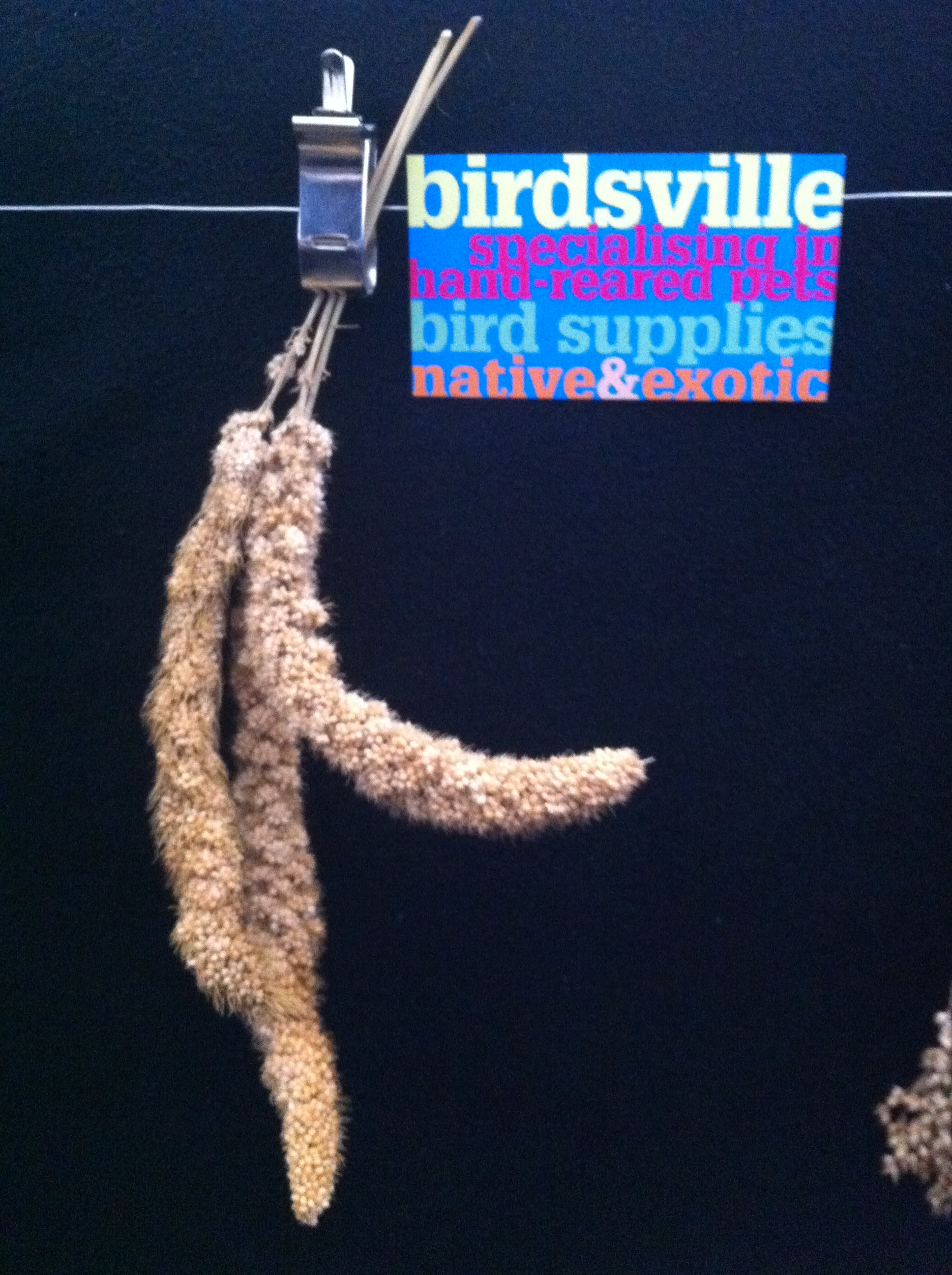
Millet sprays are a healthy, natural treat that cockatiels of every age love, and they’re especially helpful for young weaning birds, older birds and stressed birds.
Picking seed off the stem is close to how cockatiels feed in the wild, so a spray encourages a reluctant bird to eat. Our first choice is white French millet sprays, with panicum second. Hang Millet Sprays (https://petsville.com.au/products/millet-sprays-mixed-100g) in a Millet Spray Holder (https://petsville.com.au/products/jw-insight-feeder-millet-spray-holder) to keep them clean. Healthy adults only need a short length on two or three days a week, saved for training or a reward.
Do Cockatiels Need Supplements?
Yes, cockatiels need a regular vitamin boost, a calcium source and iodine to stay healthy on a seed based diet.
Do Cockatiels Need Vitamins?
Yes, every cockatiel benefits from a regular vitamin boost. Add Vetafarm Multivet (https://petsville.com.au/products/vetafarm-multivet-50ml) to the drinking water at least once a week. Water is the right place for vitamins, because powder sprinkled on seed ends up on the husks a cockatiel throws away. Don’t double up on vitamin products, as too much can be harmful.
Do Cockatiels Need Calcium and Iodine?
Yes, both. A cuttlebone (https://petsville.com.au/products/avi-one-cuttlebone-with-stainless-steel-clip) or mineral bell should always be clipped inside the cage. Shell grit (https://petsville.com.au/products/shell-grit-5kg) can be offered in its own small dish, and Vetafarm Calcivet (https://petsville.com.au/products/vetafarm-calcivet-50ml) in the water helps laying hens. Our Calcium and Iodine Perch page (https://birdsville.net.au/calcium-iodine-perch/) explains more mineral options.
Do Cockatiels Need Vitamin D?
Yes. Cockatiels need vitamin D to absorb calcium, and they make it from direct sunlight. Window glass blocks the rays they need, so our team recommends around 10 hours of direct, unfiltered sun each week, or Vetafarm Soluvite D (https://petsville.com.au/products/vetafarm-soluvite-d-25g) in the drinking water for birds kept inside.
How Does a Cockatiel’s Diet Change Across Sydney’s Seasons?
Heat and cold both affect a cockatiel’s feeding, from how fast fresh food spoils to how much energy the bird burns.
In summer, change the water twice a day, keep the cage out of direct afternoon sun and remove fresh food and sprouts within a couple of hours, before they spoil in the heat. When Sydney cools down from June, mix a spoonful more hulled oats (https://petsville.com.au/products/avigrain-seed-hulled-oats-1kg) into the seed, particularly for older cockatiels or any bird that’s lost condition.
A Tip From Our Staff
This is how we sprout seed safely for our own cockatiels. We soak the seed overnight in a stainless steel bowl with Vetafarm Aviclens (https://petsville.com.au/products/vetafarm-aviclens-water-cleanser-100ml) added, rinse it next morning, and let it sprout in a plastic bag with small holes for roughly a day in warm weather or two days when it’s cold. Rinse it again with Aviclens before serving, as damp seed can grow bacteria and mould that make birds sick.
What Do Breeding and Baby Cockatiels Need?
A breeding pair needs more protein and calcium, while young cockatiels need a constant supply of seed as they learn to feed themselves.
Put out Shep’s Egg & Biscuit (https://petsville.com.au/products/sheps-egg-biscuit-500g) daily for parents while they’re raising chicks, along with extra greens and calcium. Young cockatiels should have a full bowl of seed and millet sprays at all times until at least 14 weeks old. White French millet (https://petsville.com.au/products/avigrain-seed-french-white-millet-1kg) is the easiest seed for weaning birds to digest. For hand rearing, see our Hand Raising Baby Birds page (https://birdsville.net.au/hand-raising-baby-birds/).
What Foods Are Bad for Cockatiels?
Avocado, chocolate, onion, garlic, alcohol, coffee and salty chips can all make a cockatiel seriously ill.
Rhubarb, stone fruit pits and anything mouldy are risky too. Avoid sugary foods and lollies, as cockatiels do poorly on a high sugar diet. Bread, biscuits and chips aren’t poisonous, but they fill a cockatiel up without feeding it properly.
Cockatiel Food Frequently Asked Questions
What is the best seed for cockatiels?
The best seed for cockatiels is a quality blend with plenty of millet and canary seed, some oats, with sunflower and safflower kept to a small share. Our Birdsville Blends Cockatiel and Lovebird adds legumes, herbs and dried vegetables, and our top quality seed comes from the Darling Downs in Queensland. Avoid cheap mixes full of grit and filler.
Can cockatiels eat budgie seed?
Yes, cockatiels can eat a good quality budgie mix, and it’s a smart switch for a cockatiel that picks out only the sunflower or carries extra weight. Budgie mixes are mostly small millets and canary seed with little sunflower. Cockatiel mixes add oats, safflower and some sunflower for extra energy, which suits active and breeding birds.
Can cockatiels eat sunflower seeds?
Yes, but only in moderation, as sunflower is rich in fat and cockatiels gain weight easily. Good cockatiel mixes keep grey striped sunflower to about 10%. If your cockatiel picks out only the sunflower, we and many vets suggest switching to a quality budgie mix such as Avigrain Budgie Blue (https://petsville.com.au/products/avigrain-seed-budgie-blue-2kg). Seed quality makes a real difference to your bird’s health.
Can cockatiels eat fruit?
Yes, cockatiels can eat apple, rockmelon, banana, pear, peach and kiwifruit in small pieces. Many cockatiels show little interest in fruit, and that’s perfectly normal. Greens and vegetables such as broccoli, bok choy and carrot are more important, so put your effort into getting those eaten first.
How often should I feed my cockatiel?
A cockatiel should always have seed and pellets in its bowls, every day. Cockatiels eat several small meals throughout the day, so the bowl should never run empty. Each morning clear the husks and refill, give greens with breakfast, and take away leftover fresh food in the afternoon.
Do cockatiels need grit?
Cockatiels don’t strictly need grit if they have a cuttlebone or mineral bell, because they husk their seed before swallowing it. Shell grit can still be offered as a calcium source in its own small dish, kept separate from the seed so it doesn’t sink to the bottom and get eaten in large amounts.
Where Can I Buy Cockatiel Seed in Sydney?
Birdsville sells cockatiel seed, including our Birdsville Blends Cockatiel and Lovebird, along with pellets, millet sprays and supplements, at 684 Botany Road, Alexandria NSW 2015, servicing the Eastern Suburbs and Inner South Sydney. Come in and see us or phone (02) 9669 1766. Opening hours are 9:30am to 5:30pm weekdays, 10am to 5pm Saturday and 10am to 4pm Sunday, with a map on our Contact page (https://birdsville.net.au/contact-birdsville/).
If you live outside Sydney, Petsville (https://petsville.com.au/) ships cockatiel food right across Australia, and you can see everything we carry in the Petsville seed range (https://petsville.com.au/collections/seed-1). Seed orders can’t go to WA or Tasmania under quarantine laws.
Cockatiel food on Petsville:
Birdsville Blends Cockatiel and Lovebird (https://petsville.com.au/products/birdsville-blends-cockatiel-lovebird-500g)
Basic Cockatiel Mix (https://petsville.com.au/products/avigrain-seed-cockatiel-blue-2kg)
Avigrain Budgie Blue (https://petsville.com.au/products/avigrain-seed-budgie-blue-2kg)
Vetafarm Nutriblend Pellets Mini (https://petsville.com.au/products/vetafarm-nutriblend-pellets-mini-350g)
Millet Sprays (https://petsville.com.au/products/millet-sprays-mixed-100g)
Vetafarm Multivet (https://petsville.com.au/products/vetafarm-multivet-50ml)
Shep’s Egg & Biscuit (https://petsville.com.au/products/sheps-egg-biscuit-500g)
Thinking about a cockatiel? Our Hand Raised Cockatiels page (https://birdsville.net.au/hand-reared-birds-diet-nutrition/hand-raised-cockatiels-for-sale/) covers the cockatiels we raise. For lovebirds, see our guide to the best food for lovebirds (https://birdsville.net.au/seeds-grains/peachface-seed/).
About Birdsville
Birdsville opened at 684 Botany Road, Alexandria NSW 2015 in 1985 and specialises in birds and small animals. The Birdsville Blends (https://birdsville.net.au/birdsville-blends/) range is mixed on site for cockatiels, lovebirds, budgies, canaries, finches and bigger parrots, and is available in store or on Petsville.
Sources
Recommended diet ratio, pellets, supplements, sprouting and millet sprays: Birdsville, Hand Raised Cockatiels for Sale Sydney
Vet diet proportions and foods: The Unusual Pet Vets, Cockatiel (Weiro) Care Sheet
Native range: Wikipedia, Cockatiel
Product ingredients and bag sizes: Petsville listings for Cockatiel and Lovebird and Basic Cockatiel Mix
Seasonal advice, the seed dish test and the sprouting tip: the Birdsville team
Cockatiel Seed for Sale Sydney
Here’s the cockatiel seed range on our shelves, from complete mixes to single seeds. Pick them up in store or order many of them online.
Avigrain Cockatiel Blue
Contains canary seed, white French millet, grey striped sunflower, Japanese millet, panorama, shirohie millet, safflower and/or hulled oats. More canary seed and a bigger range of millets.
Avigrain Peachface
Contains white French millet, grey striped sunflower, canary seed, hulled oats and/or safflower. Suitable for cockatiels, lovebirds and other small parrots.
French White Millet
French white millet is the most digestible seed for all birds, and it’s especially good for young birds being weaned and for overweight birds.
Grey Striped Sunflower
Grey striped sunflower seeds are lower in fats and oils than black sunflower seeds. In the right amount they’re a healthy part of a cockatiel’s diet, but too much can lead to weight gain.
Safflower
Safflower seeds look similar to sunflower seeds but are white. They supply protein, oil and carbohydrate, and many cockatiels enjoy them as part of their mix.
Hulled Oats
Oats are a good source of calcium, iron, B vitamins and niacin. Hulled oats are mostly fed to cockatiels in winter or to birds that are underweight.
Japanese Millet
Japanese millet is a small, soft, triangular seed that cockatiels digest easily.
Millet Sprays
French white millet and panicum millet sprays. Cockatiels of all ages love them, and they’re especially good for weaning, older and stressed birds.
Avigrain Cockatiel Blue
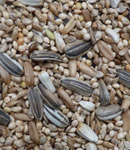
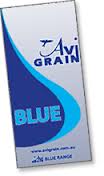
Contains: Canaryseed, French White Millet, Grey Striped Sunflower, Jap Millet, Panorama, Shirohie Millet, Safflower and/or Hulled Oats.
More Canaryseed. Bigger range of millet.
Avigrain Peachface
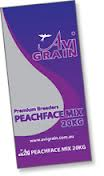
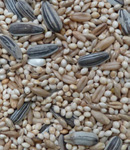
Contains: French White Millet, Grey Striped Sunflower Seeds, Canaryseed, Hulled Oats and/or Safflower.
Recommended and suitable for all parrots.
French White Millet
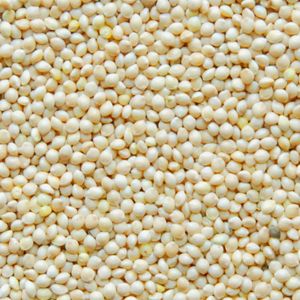
French White Millet is the seed that is most digestible for all birds, especially good for young weaning birds and birds over weight.
Grey Striped Sunflower
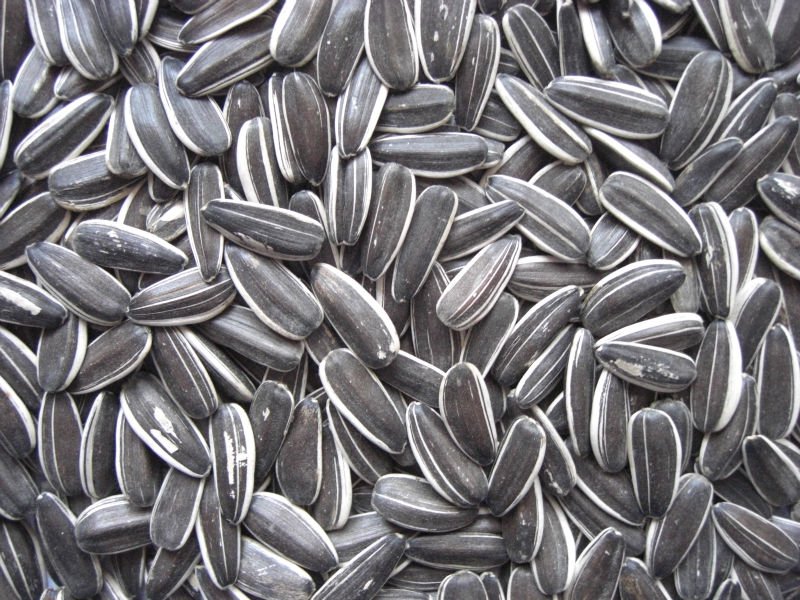
Grey Striped Sunflower Seeds are lower in fats and oils compared to Black Sunflower Seeds. In the right proportion it can be a healthy treat for your cockatiel, but if it is over done, there can be problems.
Safflower

Safflower seeds look simular to Sunflower seeds except for the colour. They contains proteins, nutrients and carbohydrates.
Hulled Oats
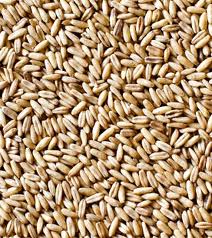
Oats are a good source of calcium, iron, vitamins B and nicotinic acid. Hulled oats are mostly feed to cockatiels in winter or if the bird is under weight.
Jap Millet

Jap Millet is a small, soft, triangular shape seed, that is easily digested by Cockatiels.
Millet Sprays – French White Millet and Panicum Millet