This article about mice details below
- Mice as pets
- ideal mouse cages and set up
- toys and enrichment with hides
- Diet for pet mice and what not to feed.
- mineral supplements and vitamins
- set up check list
- Best substrate for mice
- Parasite control
- Our mice for sale
Mice breeder Sydney
visit our Facebook and instar page for updated photos and what we currently have in stock https://www.facebook.com/BirdsvilleRosebery/ or follow our Instagram.
This article will go through everything you need to know about keeping mice as pets.
Their average lifespan is 1-3 years. Mice will enjoy having their face massaged and need to be handled frequently to maintain good behavior. They do not have good eyesight but have an excellent sense of smell and hearing. Mice are not always social, and it is ok to just have one mouse, depending on temperament of your mouse. Male mice can fight.
While many people will cringe at the thought of having pet mice, our thoughts are that they are extremely cute, and no one will ever be able to make us think otherwise.
Young mice can often be a bit jumpy by nature but with a little bit of handling it doesn’t take them long to tame up and bond to the owner.
Having two Mice is no more work than having only one and they can live in the same cage.
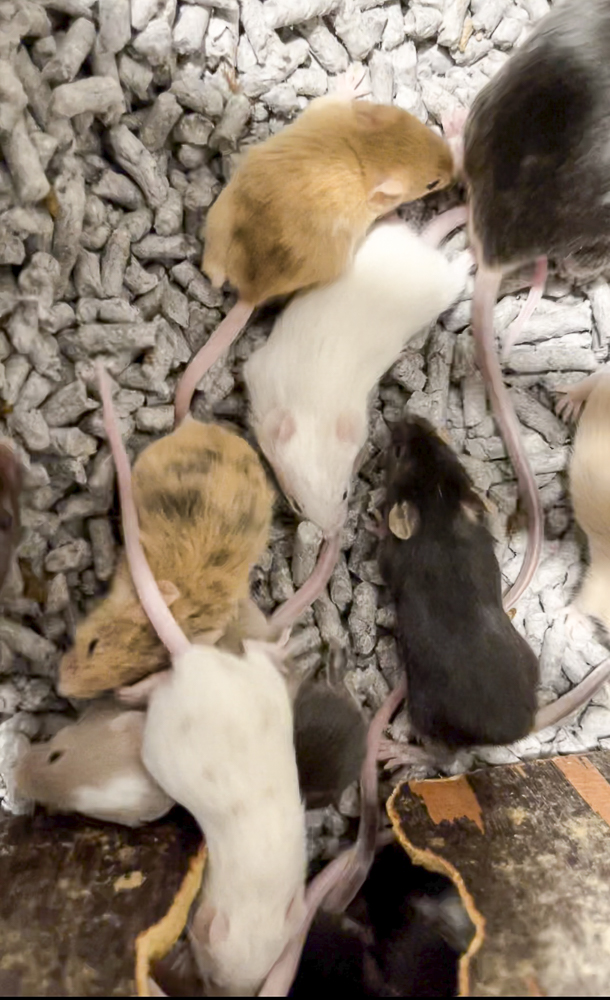
Our Mice for sale have not just been bred for color and temperament but have had different blood lines from around Australia to produce a stronger animal. Our Mice are not in bred. They will still have a short life span like all mice, but hopefully fingers crossed, breed out some of the common health conditions found in all domestic mice as the original breeding stock come from cancer research.
Mouse cages and enclosures for sale
Petsville, as a small animal specialist, has a huge range of mouse cages and enclosure to choose from on our mezzanine level.
Mouse enclosure size we recommend is around 34cm x 28cm x 34cm high. There is no such thing as an enclosure that’s too big.
The most popular mice enclosures have more than one level, as the mice love to climb, up and down.
When considering what enclosure to buy, you will need take into account the size of the wire as baby mics can escape through large, wired enclosure. They need enough space inside the enclosure for a mouse wheel, some hides, salt lick, mouse tunnels and so, to add some excitement into the enclosure.
Mouse Enclosure set-up
When setting up your mouse enclosure, its best to deck the cage out thinking of levels.
On the top level – have some hanging toys
The middle level – a hide, maybe place some wooden bird perches, drink bottle, salt lick and a ladder.
The bottom level – some tunnels to run through, food bowls, chew toys and a mouse wheel.
Mice need a hide in the enclosure for them to feel safe as they like enclosed areas. Adding some nesting material is great to build a nest. Mice toys and chews are essential to keep the teeth warn down. Attach a saltlick to the side and a mouse wheel is great for exercise.
Substrate/bedding
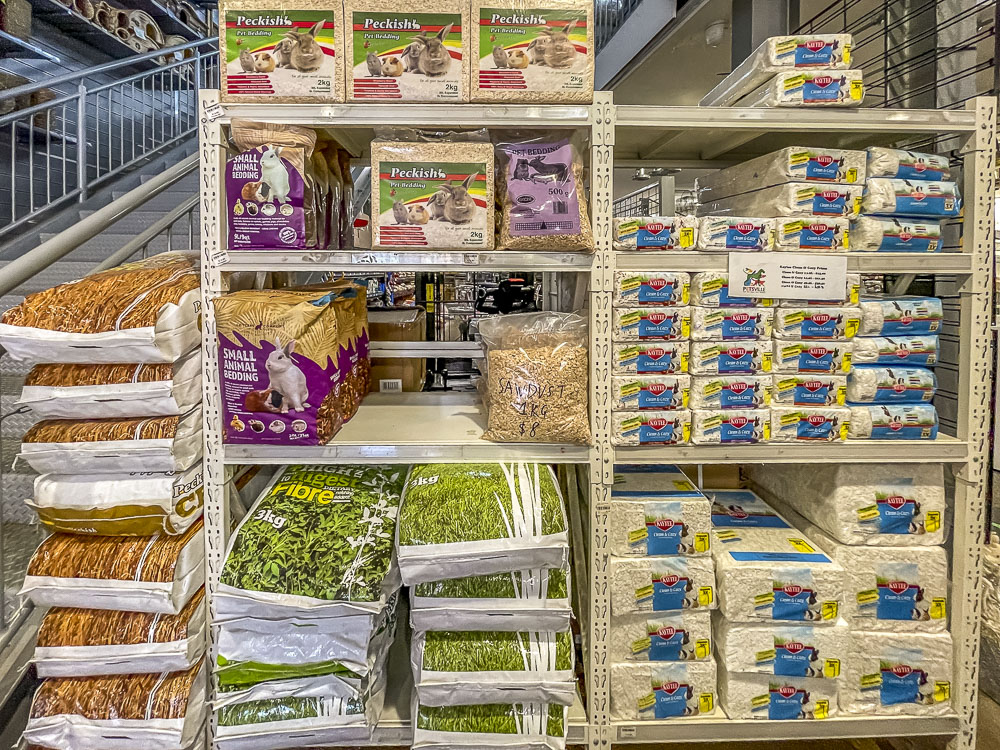
Mice can be susceptible to respiratory conditions and that’s why we recommend hemp, Kaytee bedding, dust extracted wood shavings or breeders’ choice, which are dust free and very absorbent. Bedding depth can be around 5 to 15 CMS, the ticker the bedding the less often it needs to be changed. This is also dependent on the enclosure you choose as well.
Toys for mice
Mice will need a large variety of toys to keep them stimulated and free of boredom. We have a huge area of mouse toys with hanging chew toys and ground toys. They particularly enjoy things to climb inside of i.e., tubes, tunnels, hides, mouse wheels, bird ladders boxes etc. they also enjoy balls and soft toys to chew or pull apart. Be sure to always keep their toys cleaned and replace any broken ones. Check the bird and reptile area of Petsville as bolt perches, reptile hides, and ladders among other toys are excellent for mice. We have such a large part of our store designated to just small animal toys for a reason as they just want to have fun. Toys also help to keep their teeth trim, which is very important, without toys it’s a matter of time before the teeth over grow and result in very expensive vet bills or starvation.
What is a Mouse life span
Being a tiny animal, they only live about 2 years.
Diet for Mice
Mice are omnivorous, meaning they eat both plant and animal material.
What to Feed your Mice
Petsville Premium Rat and Mouse Blend, Vetafarm Rodent Origins, Selective Mouse is recommended to make up 90% of their diet.
These premier diets are quality feed and has been formulated by experts. A premier diet that contains a specific blend of vitamins, minerals and amino acids for long-term health and general vitality. Fruit flavored and extrusion cooked for increased palatability and digestibility.
Some supermarket commercial foods are unhealthy and are often not the best option for a mouse. They may contain harmful additives, waste foods and chemical preservatives. Some contain whole corn kernels which could have fungus and mold present. There may also be tiny seeds and alfalfa pellets, which are hard for rats to digest, and they usually don’t care for it any way.
How Much to Feed
Food consumption varies with the quality of the food offered, the age, health, breeding status, environmental, temperature, and the time of day. Mice tend to eat more at night, but daytime feeding is also common.
Additions and Extras you can feed your mouse
My pet mice also receive a variety of different foods.
Fresh fruits may include but are not limited to:
Strawberries, Kiwi fruit, Bananas, Pears, Apples, Oranges, Watermelon, Cantaloupe, Papaya, Raisins, Avocado, Tomatoes, Nectarines, Peaches, Plums, Honeydew melon, Mango, Blueberries
Fresh vegetables include but are not limited to: Squash, Mustard greens, Collard greens, Romaine, Lettuce, Spinach, Cucumber, Alfalfa sprouts, Zucchini, Pumpkin, Asparagus, Broccoli, Cauliflower, Brussel sprouts, Carrots, Celery, Fennel and Sweet potato raw
Occasional treats include: Rice cakes, Cheese, Baby food with mixed baby cereal, Chicken bones, Dog biscuits, Soya milk, Fish sticks, Cooked rice and pasta
Whole protein sources: Chicken, Beef, Tuna, Salmon, Oysters, Shrimp and Liver
How to Feed your Mice
Their dry food can be placed in a food dispenser or put in a heavy ceramic dish that won’t tip over. This prevents little opportunity for fecal (stool) and urine contamination of food.
What not to feed your mice.
Too much cheese and blue cheese dressing is toxic, too much peanut butter, iceberg lettuce, licorice, rhubarb, red cabbage, artichoke, raw banana, potato skins, green or starchy potatoes, junk food in general, poppy seeds, lollys or chockolate.
To add that extra bit of health and vitality, Petsville stock small animal vitamin supplements drop that contain concentrated multivitamin, vitamin c and iron source. These supplements keep up their vitamin and mineral levels to keep your mouse happy and healthy.
Providing Water to your Mice
Having fresh water is very important, as many pet rodents presented as “sick” could actually be de-hydrated.
Fresh water should made constantly available and kept free from contamination.
Water is best provided in bottle drinkers, available in store at Birdsville. The tubes can become clogged with food debris, so they must be checked, if the water level hasn’t changed recently.
Mineral supplements for mice
Salt licks, mineral licks are important for mouse health and wellbeing. Your mice will need this depending on the diet. The fact of knowing you’re your rat needs salt will be unknown as some quality produce and good diets simply lack a high enough salt content, depending on where the produce is grown. Salt and minerals are necessary for a mouse diet, but it must be consumed in moderation which luckily your mice will instinctively know when its body needs additional salt. A salt lick is important as it will aid in digestion, muscles, nerves and fluid regulation.
Worming and Mite Spray for mice
Mice are very susceptible to worms as they naturally explore new objects with their mouths, they should be wormed within the first two weeks of being taken home, and every 3 months thereafter. These same worms can spread to humans. Spraying your mouse with mite and lice spray every six weeks is very important as mites and lice are very easily transmitted, even if you do not have other pets. It is possible (although uncommon) for your rat to contract fleas, if this does occur the safest method is to use a flea shampoo or powder and do a complete wash of their cage and bedding.
Mite and mange spray for mice
Mice are very susceptible to mites & mange. Spraying your animal with lice & mange spray every 12 weeks as a preventative will ensure you don’t have a problem. They can be easily transmitted by the common house fly and insects. Lice and mite spray is simply sprayed evenly on the animal avoiding the eyes, the bottle has easy to use instructions on the label.
Mouse Full Setup – Everything you will need:
Carry Cage– Every Mouse owner needs one for safe animal transport.
Enclosure/cage – We have a huge selection of mouse cages.
Quality Rat Pellets Mix– Petsville premium mouse food, Selective, peckish and Rodent Origins
Salt Lick / Mineral Block – – Provides essential salts and minerals including calcium to assist with healthy teeth, digestion, and healthy bones.
Treats – Great for training and rewarding and training your Mouse.
Drink bottles – Important as these can’t poo in it or be tipped over during the day.
Bowls – a place to put the mouses all you can eat buffet into.
Toys –, Hanging toys, chew toys and tunnels also bird toys are great for mice like ladders and perches. Minimum 4 appropriate toys for chewing and playing.
Hide – Small safe place for your rat to hide. Can range from tents, pouches, hanging hides and hides which come in a variety of materials and sizes. When choosing one, keep in mind how big your rat will grow too.
Substrate – Paper litter, mini help, oz hemp wood litter, dust extracted wood chips, dust extracted shavings or Kaytee litter.
Cage Cleaner – CSI, Vetafarm, F10 and Aristopet are all rat safe, nontoxic disinfectant and makes it easier to remove poo and dirt from hutch, toys, and bowl. Normal disinfects can be quite toxic to rabbits.
Wormer – Recommended to worm 1 week after bringing home and repeated every 3 months to prevent internal parasites.
Mite & Mange Spray – Recommended to use 1 weeks after bringing your mouse home and repeated every 3 months to prevent external parasites.
Extras that you may like to consider.
Feeding / Accessories – Spare treats and bowls for food and water
Vitamins – Small Animal Vitamins
Mouse shampoo – is available for the upper-class we stock small animal shampoo.
Bed – For the luxurious mice who likes comfort.
Tunnels – great for mice to run through and play.
Synbiotic / Probiotic – Can boost immune system, support digestive function when use daily. Also, can help Respiratory Rat disease.
First aid – Spark, Triple C, F10 barrier ointment and heat lights are a few things that can be kept on hand in case of an emergency.
Mouse wheel – A favorite of mice, they use them and love the exercise.
Health issues or changes in your Mouse:
If you ever notice a change in:
-
- behavior/appearance: off their food, quiet, lethargic, wheezing, runny nose, runny eyes, drooling, skinny.
- Cancer/tumors: Is quite common in rats partly because they originate from stock that were used for cancer research. They are often fatal without a vet intervention.
- Coat dandruff or fur loss: a sign your Rat has mites or less commonly fleas. A regular mite and lice treatment and a multivitamin should get their coat looking beautiful again.
- Weight loss: Could be caused by the above overgrown teeth or a whole host of reasons including cancer, neurological disease, virus, bacteria, starvation, trauma, stomach ulcers, injury, kidney failure, tumors, dental disease, poisoning, respiratory rat disease to name a few.
- Sudden Death Syndrome – Small animals are more susceptible to sudden death syndrome. There are many reasons why this can happen including but not limited to fright, being spooked, heart attack, stroke, nightmare or nightfright. Often when an animal that has passed of sudden death a full necropsy report from a vet will come back showing no reason as to why the animal has passed. Sudden death can occur with any animal especially small ones. Unfortunately, one cannot guarantee life of any creature tomorrow as it is a living being and not a toaster. By following this full page, you have the best chance possible in keeping your pet happy and healthy.
Visual Health checks
A visual health check is a great skill set for any Mouse owner to have and can increase your ability in spotting if your Mouse is not 100 %.
A mouse visual health check starts with a pat from the head to tail. If you feel tiny ribs and bones, then the Mouse is skinny and that is a big red flag. Continue by checking your mouse eyes, nose and mouth, there should be no discharge or mucus coming out of any of them. Move on to the eyes, they should be clear.
We do stock some basic medications, but we are not vets. Our team have been dealing with mice for a long time and are skilled in doing visual health checks. We also have a list of vets with links at the bottom of this page, as they can do a whole series of tests to pick up something for a mouse that is asymptomatic.
Handing your mouse
You will need to handle your mouse regularly, but remember it is only a baby. They also will need plenty of time to eat and rest. Handling your mouse gently and regularly will ensure it bonds to you quickly. While handling your mice giving it a treat and a cuddle will ensure it really enjoys your company.
Teeth Health
Mice’ teeth grow constantly throughout their lives, and if they are not fed an appropriate diet and given things to chew on, the teeth will over grow. Their teeth will begin to dig into the sides of their face and make them unable to chew normally. Without the proper attention, overgrown teeth can cause serious trauma, anorexia, infections, pain, and even death from the inability to chew and swallow. To avoid most these problems always have in the cage a form of wooden toy for them to chew on.
Hygiene
Mice live in such close contact with their litter and bedding, these must be kept clean and free from toxins. Cleaning your mice’s cage regularly, with the right cage cleaner, is essential to avoiding unnecessary health problems. Ammonia in the fumes of urine causes irritation in the nasal passage, which makes them more susceptible to infection. If your cage gets stinky you have left it too long.
Sexing your mouse
Please be aware these animals are not DNA sexed. Whilst we may give an opinion on sex and we are quite accurate, this is not a guarantee, as young mice can be hard to sex. We will always try to the best of our human ability.
Do not hesitate to come and see us in store if you have any concerns, or question and bring your mouse for us to see. It does not matter if the mouse came from somewhere else, we are happy to help.
Boarding your Mouse
Boarding is available throughout the year, please go to petsvillehotel.com for all bookings.
Recommended Vets and Links
SASH
Small Animal Specialist
Hospital 02 (9190 6806)
Level 1 1 richardson place North Ryde
The Wild Vet
1300 9453 838
22A Bridge Road, Glebe
SERV
02 9436 4884
57-63 Herbert St Artarmon
Southern Cross
02 9516 0234
60 Princes Hwy, St Peters
Carlingford Animal Hospital
02 9871 6036
772 Pennant Hills Road Carlingford
995 Bourke Street waterloo Sydney NSW 2017
Vetafarm Manufacture some of the food we supply and can answer any food questions regarding vetafarm products.
to be re instated below
Mice as Pets
Their average lifespan is 1.5 to 3 years. Mice will enjoy having their face massaged and need to be handled frequently to maintain good behaviour. They do not have good eyesight but have an excellent sense of smell and hearing. Mice are not always social, and it’s okay to just have one mouse, depending on the temperament of your mouse. Male mice can fight, so keep this in mind when housing more than one together. Having two mice is no more work than having only one, and they can live in the same cage. Young mice can often be a bit jumpy by nature, but with a little bit of handling it doesn’t take them long to tame up and bond to their owner.
Enclosures
Pet mice stay quite small, but they’re active and social little animals, so choosing the right enclosure is still essential. The minimum size we recommend is around 60cm wide x 30cm deep x 40cm high — there’s no such thing as an enclosure that’s too big, and mice will use every centimetre of space they’re given. They need room to move, climb and explore, plus space for enrichment items such as toys, a food bowl, water bottle, salt lick, hammocks, tunnels, an exercise wheel and cosy sleeping areas. A well-set-up cage keeps your mouse active, stimulated and happy. We have a huge selection of different mouse enclosures in store on our upstairs level, including great value specials when you purchase your mouse together with a complete setup.
When selecting a cage, always consider the bar spacing — baby mice can squeeze through gaps in some larger wire cages designed for adults, and mice generally need narrower bar spacing than rats given their smaller size. If you’re unsure which enclosure is suitable, our team can help you choose the right option, and you’re welcome to test the bar spacing in store to make sure it’s safe and secure for your new pet.
Enclosure Set-Up
When setting up your mouse enclosure, it’s best to deck the cage out thinking in levels. On the top level, have some hanging toys. The middle level should have a hide, maybe some wooden bird perches, a drink bottle, a salt lick and a ladder. The bottom level is best for tunnels to run through, food bowls, chew toys and a mouse wheel. Mice need a hide in the enclosure to feel safe, as they like enclosed areas. Adding some nesting material is great for them to build a nest.
Best Substrate for Mice
Mice can be susceptible to respiratory conditions, which is why we recommend hemp, Kaytee bedding, dust-extracted wood shavings or Breeders Choice — all dust free and very absorbent. Avoid pine and cedar shavings, as these contain aromatic oils that can be harmful to a mouse’s respiratory health. Bedding depth can be around 5 to 15cm — the thicker the bedding, the less often it needs to be changed, though this also depends on the enclosure you choose.
Toys and Enrichment
Mice are curious and active creatures who love to explore, forage and gnaw. They’ll benefit from a variety of toys such as cardboard tubes and boxes, tunnels, climbing ropes and branches, and foraging toys that hide treats to encourage natural behaviours. A solid-surface exercise wheel (at least 8 inches, not a wire wheel) is also a great addition, giving them a safe way to burn off energy. Check the bird and reptile area too — bolt perches, reptile hides and ladders make excellent mouse toys. Toys also help keep their teeth trim, which is very important — without them, it’s only a matter of time before the teeth overgrow, resulting in expensive vet bills or worse. Always keep their toys clean and replace any broken ones.
Diet for Mice
A proper diet is essential for your mouse’s long-term health and wellbeing. Mice are omnivorous, meaning they eat both plant and animal material, and they generally love food and will happily eat almost anything offered to them. However, just because they’ll eat it doesn’t mean it’s good for them. A high-quality mouse pellet or balanced mix should make up the majority of your mouse’s diet, with treats, fruits and vegetables offered in moderation alongside it.
At Birdsville, we recommend and stock premium options such as Vetafarm Rodent Origins, Selective Rat Pellets and our own Rat & Mouse Gourmet mix, part of our Small Animal Blend range and made fresh in store. It’s a wholesome combination of pellets, wheat, grey stripe sunflower, oats, cracked corn, sorghum, white French millet, safflower, pumpkin seeds, rolled oats, red lentils, green split peas, carrot, coconut, banana chips and almonds — giving your mouse real variety and enrichment in every scoop. These quality diets are formulated with balanced vitamins, minerals and amino acids to support long-term health and vitality, and are extrusion cooked for improved digestibility and palatability.
We recommend avoiding supermarket or low-quality commercial mouse foods, as these often contain fillers, artificial additives, preservatives and waste products. Some mixes may include cheap filler food such as hard-to-digest alfalfa pellets or excessive seeds with limited nutritional value. If you decide to use a lower-quality food, we suggest supplementing your mouse’s water with Small Animal Vitamins to help ensure they receive essential nutrients.
Fruits & Veggie Guide (Examples, not limited to:)
Fruits – strawberries, kiwi fruit, banana, pear, apple, orange, watermelon, rockmelon, papaya, raisins, tomato, nectarine, peach, plum, honeydew melon, mango, blueberries, and apricot
Vegetables – pumpkin, zucchini, broccoli, cauliflower, brussels sprouts, carrots, celery, sweet potato, cucumber, spinach, romaine lettuce, squash, mustard greens, collard greens, alfalfa sprouts, asparagus, and fennel
Protein & treats – cooked chicken (including soft bones), beef, tuna, salmon, oysters, shrimp, eggs, and small amounts of liver as whole protein sources; plain cooked rice or pasta, oatmeal, rice cakes, small pieces of cheese, dog biscuits, plain baby food, and a small amount of soy milk as occasional treats
Avoid entirely – chocolate (no amount is safe — mice metabolise theobromine far more slowly than larger animals, so it builds to toxic levels), excessive cheese, peanut butter (choking risk), dried corn, iceberg lettuce, orange juice or peel, blue cheese dressing, licorice, rhubarb, potato skins, green or unripe potatoes, poppy seeds, processed junk food, red cabbage and artichoke (both can cause gas)
Their dry food can be placed in a food dispenser or a heavy ceramic dish that won’t tip over, which limits opportunity for faecal and urine contamination of the food. Providing a balanced staple diet, fresh water daily and healthy fresh food in moderation will help ensure your pet mouse lives a long, happy and healthy life. If you’re ever unsure about a particular food, our Birdsville team is always happy to assist.
Providing Water to Your Mice
Fresh water is very important — many pet rodents presented as “sick” are actually just dehydrated. Fresh water should be made constantly available and kept free from contamination. Water is best provided in bottle drinkers, available in store at Birdsville. The tubes can become clogged with food debris, so check them if the water level hasn’t changed recently.
Mineral Supplements and Vitamins
Salt licks and mineral licks are important for your mouse’s health and wellbeing — the need depends on diet, as some quality produce and good diets simply lack a high enough salt content depending on where the produce is grown. Salt and minerals are necessary in a mouse’s diet but must be consumed in moderation, which your mouse will instinctively know when their body needs it. A salt lick aids digestion, muscles, nerves and fluid regulation.
Parasite Control
Spray your mouse with mite and lice spray every 3 months — pests are very easily transmitted, even if you don’t have other pets. While rare, mice can contract fleas; if this does occur, the safest method is a flea shampoo or powder along with a complete wash of their cage and bedding.
Handling Your Pet Mouse
Mice are small and quick, so always handle them over a low surface in case they jump or wriggle free. Scoop your mouse up gently with both hands rather than grabbing from above, and never pick it up by the tip of the tail — support its body fully. Young mice will need plenty of time to eat and rest, so keep handling sessions short at first. Handling your mouse gently and regularly will help it get used to your scent and become more comfortable being held over time. See our website, Facebook and Instagram for more tips and videos.
Teeth Health
Mice’s teeth grow constantly throughout their lives, and if they are not fed an appropriate diet and given things to chew on, teeth will overgrow. Teeth can dig into the sides of their face and make them unable to chew normally. Without proper attention, overgrown teeth can cause serious trauma, anorexia, infections, pain, and even death from the inability to chew and swallow. To avoid these problems, always have a wooden toy for them to chew on in their space.
Hygiene
Because mice live in such close contact with their litter and bedding, these must be kept clean and free from toxins. Cleaning your mouse’s cage regularly, with the right cage cleaner, is essential to avoiding unnecessary health problems. We recommend a full cage clean at least once a week, with spot cleaning in between as needed — more frequent cleaning may be needed if you have multiple mice. Ammonia fumes from urine cause irritation in the nasal passage, which makes them more susceptible to infection. If your cage gets stinky, you’ve left it too long.
Health Issues or Changes in Your Mouse
If you ever notice a change in behaviour or appearance — off their food, quiet, lethargic, wheezing, runny nose, runny eyes, drooling, or skinny — it’s worth taking note.
Cancer and tumours are fairly common in mice, partly because the original breeding stock for domestic mice comes from lines used in cancer research. These can often be fatal without veterinary intervention.
Coat dandruff or fur loss can be a sign your mouse has mites, or less commonly fleas — a regular mite and lice treatment plus a multivitamin should get their coat looking good again.
Weight loss could be caused by overgrown teeth or a whole host of other reasons, including cancer, neurological disease, virus, bacteria, starvation, trauma, stomach ulcers, injury, kidney failure, tumours, dental disease, poisoning or respiratory disease, among others.
Sudden Death Syndrome — small animals are more susceptible to sudden death syndrome. There are many possible reasons this can happen, including fright, being spooked, heart attack, stroke or unknown causes. Often when an animal passes from sudden death, a full necropsy from a vet will come back showing no clear reason. Sudden death can occur with any animal, especially small ones — no one can guarantee the life of any living creature tomorrow. By following this guide, you give your pet the best chance possible at a happy, healthy life.
Visual Health Checks
A visual health check is a great skill for any mouse owner to have, and can increase your ability to spot if your mouse isn’t 100%. Start with a pat from head to tail — if you feel prominent ribs and bones, the mouse is skinny, which is a red flag. Check your mouse’s eyes, nose and mouth for any discharge or mucus, and make sure the eyes are clear. We stock some basic medications, but we aren’t vets — our team is experienced with mice and skilled at visual health checks, but for anything that needs proper testing, especially asymptomatic issues, see the recommended vets below.
Sexing Your Mouse
Please be aware these animals are not DNA sexed. While we may give an opinion on sex, and we’re quite accurate, this isn’t a guarantee, as young mice can be hard to sex — we’ll always try to the best of our ability.
Don’t hesitate to come and see us in store if you have any concerns or questions, and bring your mouse for us to see — it doesn’t matter if the mouse came from somewhere else, we’re happy to help.
Boarding
Boarding is available throughout the year — visit Petsville Hotel to book your stay.
Recommended Vets and Links
SASH — Small Animal Specialist Hospital, 02 9190 6806, Level 1, 1 Richardson Place, North Ryde
The Wild Vet — 1300 945 3838, 22A Bridge Road, Glebe
SERV — 02 9436 4884, 57-63 Herbert St, Artarmon
Southern Cross — 02 9516 0234, 60 Princes Hwy, St Peters
Carlingford Animal Hospital — 02 9871 6036, 772 Pennant Hills Road, Carlingford
Bird Exotics Vet — 995 Bourke Street, Waterloo, Sydney NSW 2017
Vetafarm — manufacture some of the food we supply and can answer any food questions regarding Vetafarm products.
MICE FOR SALE SYDNEY
Looking for pet mice for sale in Sydney? Birdsville is located at 684 Botany Road, Alexandria NSW 2015, and we’re proud to be one of Sydney’s dedicated mice breeders.
While many people cringe at the thought of pet mice, we think they’re extremely cute, and no one will ever convince us otherwise. Our mice haven’t just been bred for colour and temperament — we’ve brought in different bloodlines from around Australia to produce a stronger animal. Our mice are not inbred. They’ll still have a short lifespan like all mice, but we’re hoping to breed out some of the common health conditions found in domestic mice, since the original breeding stock comes from cancer research lines.
Why You Should Get a Mouse
Mice are affectionate, low-maintenance pets that bond quickly with regular, gentle handling, and even enjoy having their face massaged once they’re settled. They’re a great option if you’re after a small pet with real personality, without the space or cost commitment of a larger animal.
Why a Mouse Might Not Be Right For You
Mice have a short lifespan of around 1.5 to 3 years, which can be tough for younger owners. They’re also most active at night, so if you’re a light sleeper with the cage in your bedroom, this is worth considering. Male mice can also fight, so housing multiple males together isn’t always straightforward.
What You Need to Know
Mice need a minimum enclosure of 60cm wide x 30cm deep x 40cm high, ideally with multiple levels, a wheel, hides, tunnels and a salt lick. Their diet should be made up mostly of quality mouse or rat-and-mouse pellets — including our own fresh-made Rat & Mouse Gourmet mix — supplemented with fresh fruit and vegetables in moderation. For the full breakdown of housing, diet and health care, see our How to Care for Mice guide.
Please note these animals are not DNA sexed. While we may give an opinion on sex, this is not a guarantee, as young mice can be hard to sex. No refund, credit or exchange will be given if an animal is not your desired sex.
Availability
We regularly have mice in stock in a range of colours. If you’re after something specific or a larger quantity, get in touch about special or bulk orders.
Package Deals & In-Store Help
Come talk to our team about setting your mouse up right from day one — we can help put together a full package covering enclosure, substrate, food, toys, salt lick and parasite treatments, so you’re not guessing what you need. See our staff in store for current package deals.
Visit Us
Come see us in store at 684 Botany Road, Alexandria NSW 2015 to meet our mice and get everything set up for your new pet.