
Birdsville, Sydney’s small animal and reptile specialist, runs an unusually deep aquarium setup with sumps larger than most full display tanks, so our tropical fish stay in top condition and our team can supply the healthiest stock as humanely as possible. This tropical fish care guide covers everything you need to know before and during setting up a tropical fish tank, from choosing the right aquarium to keeping the water healthy long term.
Quick Facts
- Species covered: tetras, suckerfish, loaches, livebearers such as platies, mollies and guppies, angelfish, silver sharks, red tail sharks, gouramis, barbs, catfish, cichlids, fighting fish and more
- Adult size: varies widely by species, from a few centimetres for smaller tetras up to 15cm or more for larger cichlids and sharks
- Lifespan: commonly 3 to 5 years for most community species, longer for some cichlids
- Diet: omnivore, flakes, pellets and frozen food
- Tank temperature: 24 to 27°C, heater required
- Minimum tank size: varies by species and how many you’re keeping. Our team can help size one to your stocking plan
- Licence requirement: none
- Experience level: beginner to intermediate, daily temperature checks needed
On This Page: Tropical Fish as Pets, Essential Supplies, Housing, Environment, Diet & Feeding, Behaviour & Handling, Common Health Issues, Parasite Control, Health, Hygiene & Safety, Toxic & Dangerous Hazards, Sexing, Record Keeping, Holiday Care, Transportation, Compatibility with Other Animals, Frequently Asked Questions, Recommended Vets and Links
Tropical Fish as Pets
Tropical fish need a heated tank held at a steady temperature, unlike cold water species, so daily monitoring matters more from day one. The majority of what Birdsville stocks are community fish, so they generally do well sharing a tank with each other. Our range runs from beginner-friendly tetras and livebearers like guppies, platies and mollies through to angelfish, gouramis, barbs, catfish, cichlids, silver sharks, red tail sharks and fighting fish, alongside suckerfish, loaches and aquatic plants to round out the tank.
Health, Hygiene & Safety
Every 24 Hours
A quick headcount and once-over at feeding time tells you a lot, and it’s worth checking the filter, bubbler, lights and heater are all doing their job while you’re there. Food still sitting around after 30 seconds means you’ve overshot the amount, and the thermometer is your quick confirmation that the heater is behaving itself.
Every 2 Weeks
Give the glass a scrub if algae’s built up, and shake out ornaments and plants to loosen any trapped debris. A gravel vacuum paired with a roughly 30% water change comes next, with conditioner added to the fresh water right before it goes in, the whole thing rarely takes more than 10 minutes. Keep the water you’ve removed for rinsing filter media and cartridges instead of tipping it straight out, since that’s how the bacteria colony survives the clean, and give live plants a once-over for dead leaves or growth that needs trimming.
Once a Month
Before your water change, run a full check on pH, ammonia, nitrate and nitrite. A recurring algae problem is worth testing phosphate for too, since high phosphate is what tends to feed it. Roughly monthly, swap out some of the oldest filter media, but never all of it at once, since holding some back keeps the bacteria colony from being wiped out in one go.
Toxic & Dangerous Hazards
Aquarium salt is fine, but table salt is fatal to fish, so double-check the label before anything goes in the tank. Chlorine and metals in raw tap water are just as dangerous, burning fish gills badly enough to cause suffocation, so conditioner has to go in before that water ever touches the aquarium. Keep aerosols, air fresheners and cleaning sprays well clear of an open tank, and don’t skip the daily thermometer check, since a heater fault caught late can undo everything else on this list.
Sexing
How easy sexing is depends entirely on the species. Livebearers such as guppies, platies and mollies are some of the easier fish to tell apart, while plenty of tetras, barbs and catfish give away almost nothing visually. If sexing matters for what you’re planning, ask our team about the particular species before you buy.
Record Keeping
Jot down water changes, your pH, ammonia, nitrate and nitrite readings, feeding, and how the fish are looking each time you check on them. Numbers on paper reveal a slow drift in water quality that’s genuinely hard to notice just by eyeballing the tank day to day, well before it turns into an actual problem.

Holiday Care
Missing a feed or two while you’re away is far less risky than a well-meaning house sitter overdoing it, so a short trip usually needs no special arrangements. Longer than that, line up someone to check the tank, confirm the heater is still holding its temperature, top water up if needed, and feed sparingly, with exact quantities written down so there’s no guesswork on their end.
Transportation
A sealed bag or container with some of the fish’s existing tank water, kept inside an insulated esky or box, is what keeps the temperature steady on the move. Plan for the shortest trip possible, keep it out of direct sunlight, and never leave a fish sitting in a car while you duck into a shop, even briefly.
Essential Supplies for Tropical Fish
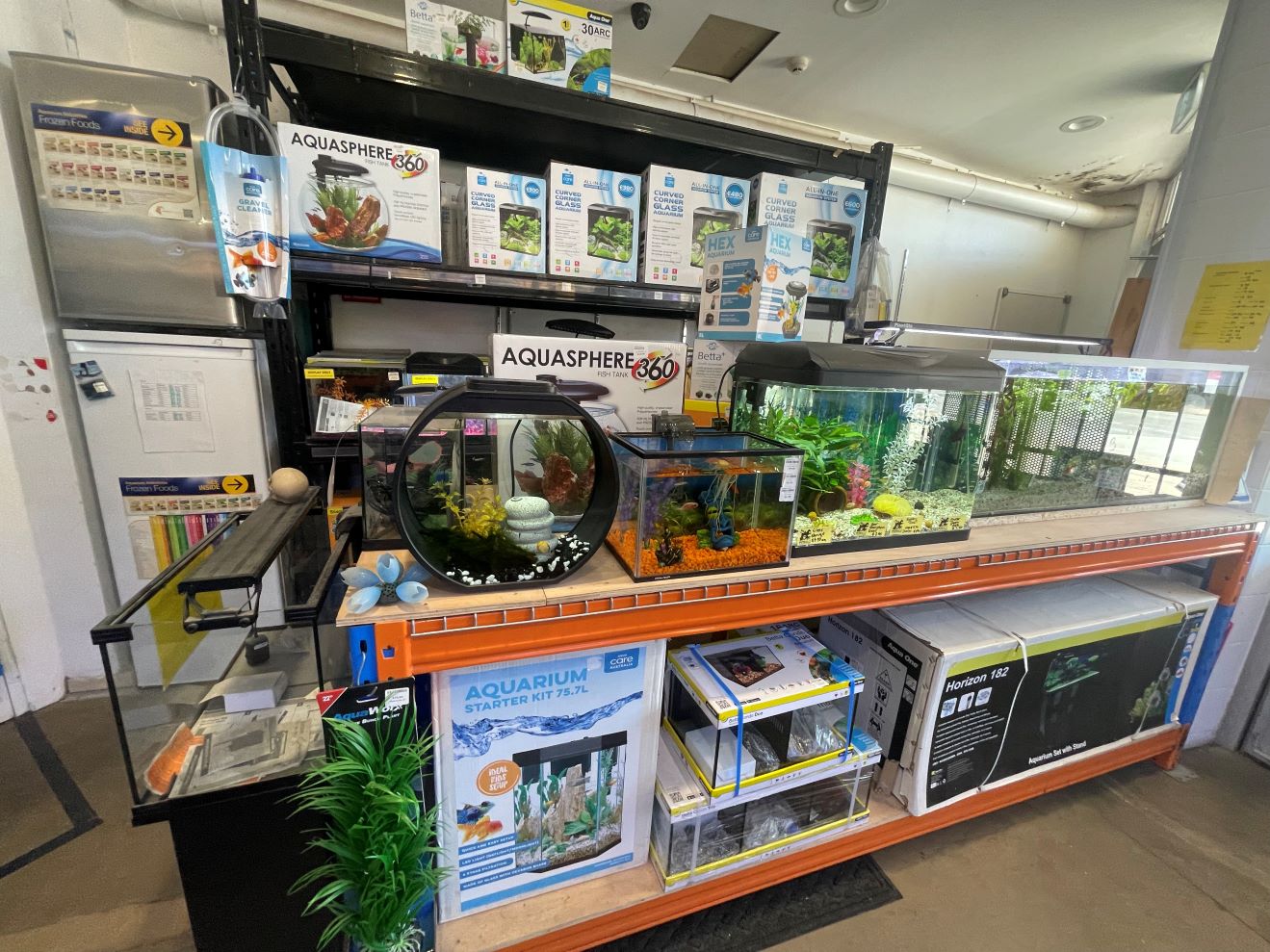
- Tank: sized around the adult reach of your chosen species, with extra room built in for any fish you plan to add down the track and for ornaments and plants.
- Gravel: a 3 to 5cm layer, roughly an inch, gives plants and ornaments something to anchor into. Rinse it well before it goes anywhere near the tank.
- Filtration: plenty of brands and sizes are available in store, and some tropical setups arrive with a filter already fitted. Match the filter rating to your tank size or go a step larger. As a rough guide, a filter’s litres-per-hour figure divided by 10 gives you the tank size it’s suited to.
- Heater and thermometer: non-negotiable for a tropical tank. In-store packaging lists which tank size a given heater suits, and since heaters don’t come with a thermometer built in, you’ll need one separately to check the dial is actually holding the temperature it should.
- Lighting: shows off fish colour properly and keeps live plants growing, on top of just making the tank nicer to look at.
- Aeration or a bubbler: keeps oxygen moving through the water for healthier fish, and doubles as a nice visual touch in the tank.
- Gravel vacuum: turns a fiddly clean into a five-minute job by pulling waste straight out of the substrate.
- Fish net: handy any time you need to reposition decor or lift a fish out for a closer look.
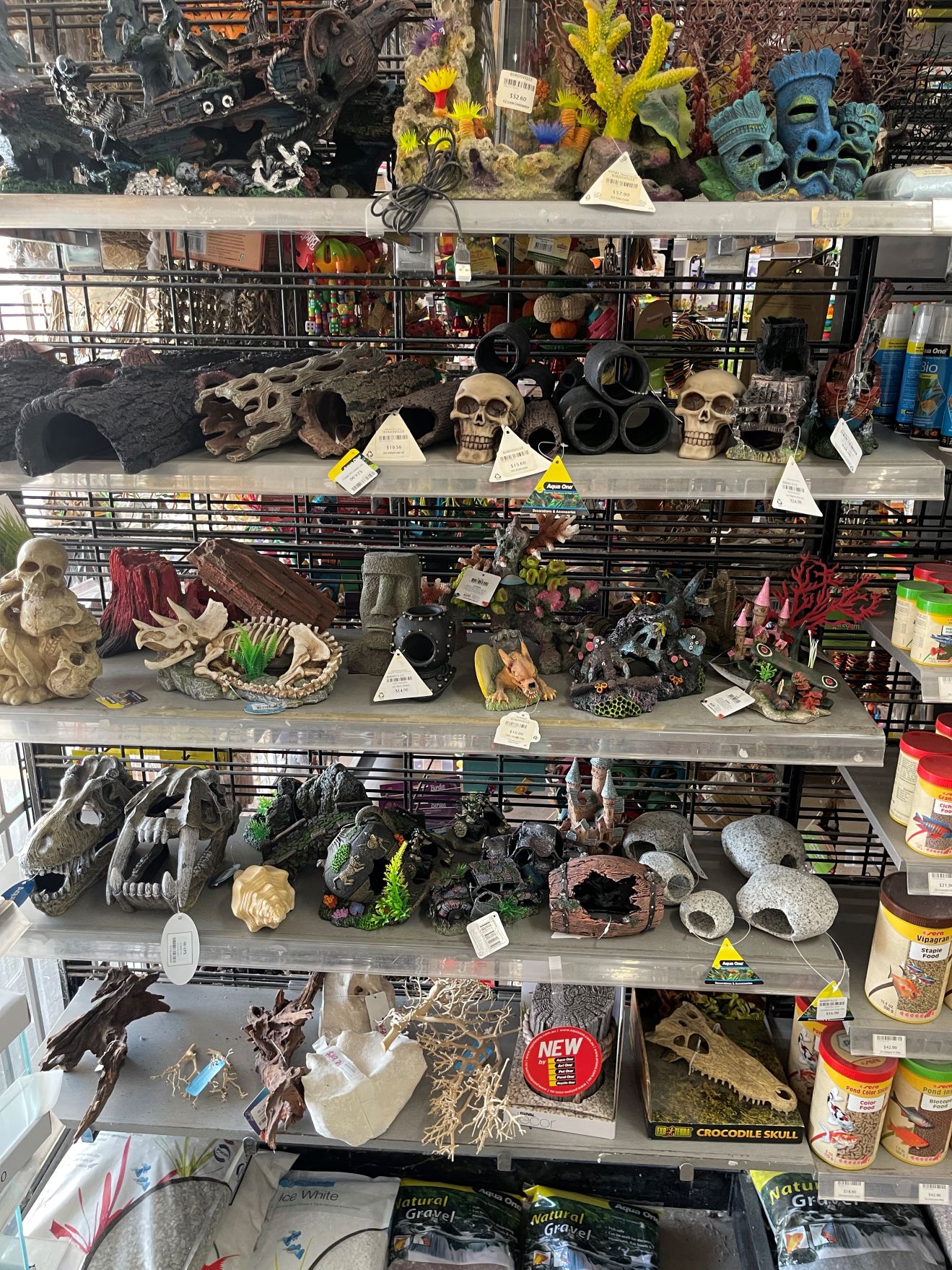
- Decorations, plants and hides: rocks, driftwood and live or artificial plants give fish places to retreat to and explore, and make the tank feel far less bare.
- Quarantine or hospital tank: a second, smaller tank kept aside for new arrivals or a sick fish, covered in more detail under Parasite Control below.
- Food: flakes, pellets or frozen options depending on species. Our team can point you to the right one for your fish.
- Water conditioner: strips chlorine and heavy metals out of tap water before it reaches the fish. Skipping it isn’t an option, since raw tap water burns fish gills badly enough to suffocate them.
- Biostart: kickstarts the beneficial bacteria colony a tropical tank’s filter relies on to run the nitrogen cycle.
- Waste controller: breaks down leftover food and waste into beneficial bacteria rather than letting it foul the water, which means less cleaning overall.
- Aquarium salt: boosts gill function and slime coat production to help fish resist disease, plus tops up electrolytes. Table salt is toxic to fish and isn’t a substitute, so stick to a product labelled for aquarium use.
- pH test kit: worth having on hand given how much pH swings across different parts of Sydney’s water supply.
Everything above is stocked in store at Birdsville, along with floating magnetic glass cleaners, scrubbers rated for stubborn algae, calcium and lime, and algae-eating suckerfish and snails that take care of the soft, fast-growing algae on your behalf.
What You May Consider: driftwood, either pre-soaked and ready to sink (our most popular pick, often paired with a slow-growing anubias plant already attached) or the dry variety, which needs a good 2 weeks of soaking first to leak out its tannins before it’s safe to add; plus a foam underlay for any larger tank, since even a small dip in the base can crack the glass once the weight of the water is on it; and a printed or vinyl background for the rear glass, hiding the wall behind the tank and giving fish a bit more sense of cover. Our team can point you toward a local supplier if you need foam cut to size.
Housing
Location decides a lot more than people expect. You’ll need power points within reach for the filter, heater, light and bubbler, and that alone can cap how large a tank actually fits, so factor it in before you fall in love with a particular size. Steer clear of busy walkways where a knock is only a matter of time. Settle on the species you’re after first, since a larger fish simply needs a larger tank than a small one does, and bring your measurements in store so our team can match you to the right size.
Setting Up Your Tropical Fish Tank
- Give every non-living item on the supplies checklist a rinse in tap water only before it goes anywhere near the tank.
- Position gravel, filters, bubblers, the heater, plants and ornaments before any water goes in.
- Cover the gravel with clean plastic while filling, then remove it once the tank is full, to stop the substrate getting churned up.
- Dose the water conditioner as soon as the tank is topped up.
- Hold off on the biostart until the conditioner has had time to work, since leftover tap water chlorine will wipe out its bacteria if you add it too early.
You can technically buy the lot, set up and add a handful of fish on the same day, but giving the tank a week or two to cycle first makes a real difference to how well it settles.
Environment
Hold the tank at a steady 24 to 27°C using a correctly sized heater, and confirm it with a separate thermometer rather than trusting the heater’s dial alone. Plants and fish both benefit from decent lighting, and a bubbler or filter outflow keeps enough movement in the water to maintain healthy oxygen levels. Check pH from time to time too, given how much it can vary between different parts of Sydney’s water supply.
Diet & Feeding
Offer tropical fish a mix of flakes, pellets or frozen food once or twice daily, in whatever amount disappears within about 30 seconds. Underfeeding is rarely the problem, overfeeding is, and it’s the more common cause of health issues in captive fish, so err on the side of less. Hold off feeding a newly arrived fish for its first 24 hours in the tank while it recovers from the stress of the trip.
Behaviour & Handling
Give the tank at least two weeks to cycle before any fish arrive, with pH steady and the temperature confirmed in the 24 to 27°C band. On arrival day, float the sealed bag in the tank for 10 to 15 minutes first, letting the water temperature equalise gradually rather than shocking the fish with a sudden change. Net the fish out into the tank rather than pouring the bag straight in, and tip the bag water down the drain instead of into the aquarium.
Common Health Issues
Ammonia and Nitrite Poisoning
Most often traced back to a tank that’s still cycling, carrying too many fish for its size, or being fed more than it can handle. Gasping at the surface, unusual lethargy and gills turning red or irritated are the signs to act on, so test your water parameters the moment you notice any of them.
Ich (White Spot Disease)
Easy to spot once it takes hold: fine white spots scattered across the body and fins, and fish rubbing themselves against gravel or ornaments trying to relieve the itch. It moves fast through a shared tank, so grab an aquarium-safe ich treatment from our team as soon as you see the first spot.
Velvet Disease
Shows up as a fine gold, yellow or rust-coloured dusting over the skin and fins, often paired with rapid breathing, clamped fins and fish scratching against decor. Stressed or recently introduced fish are the most at risk, which is exactly why quarantine matters, and our team can point you to the right treatment once it’s confirmed.
Fin Rot
Fin edges that look ragged, discoloured or are visibly shrinking back point to poor water quality or ongoing stress more often than not. Fixing the water quality usually resolves it on its own, with targeted treatment as a backup if it doesn’t.
Parasite Control
Give any newly bought fish 4 to 6 weeks alone in its own quarantine tank before it joins an established aquarium. It’s a standard Birdsville applies to every new animal leaving the store, and for fish specifically it means you catch a problem like ich or velvet before it ever reaches your main tank.
Frequently Asked Questions
What temperature should a tropical fish tank be?
Tropical fish need a stable 24 to 27°C, held there with a correctly sized heater and checked daily against a separate thermometer, since heaters don’t come with one built in. A sudden temperature swing is more of a risk than the exact number, so acclimate new fish slowly by floating the bag before releasing them.
How often should I feed my tropical fish?
Once or twice a day is plenty, in a portion your fish clear within about 30 seconds each time. Leftover food breaks down into ammonia and drags water quality down fast, so overfeeding causes far more problems than the occasional light day does, and erring on the smaller side is always the safer call.
Are tropical fish a good choice for a fishkeeping beginner?
Tropical fish are a great starting point once you’re comfortable running a heater and checking water parameters, since many community species like tetras, platies and guppies are hardy and forgiving. The extra step compared to a cold water tank is simply keeping temperature stable day to day.
Do you always have tropical fish in stock?
Our tropical range is one of the biggest sections in store, covering tetras, livebearers, cichlids, catfish and gouramis at any given time. New arrivals come through regularly and specific species can sell out fast, so give us a call before making a special trip in for something in particular.
Can different species of tropical fish live together?
Most tropical community fish do well sharing a tank, and our range is largely made up of species chosen for that reason. Some species are territorial or grow too large for a community setup though, so check with our team before adding anything new to an established tank.
How long do tropical fish live?
Most community tropical species settle in around the 3 to 5 year mark with decent care, though certain cichlids can push well past that given the right conditions. The single biggest factor is consistency: a tank that holds steady temperature and clean water year-round outlives one that swings around.
Visit Us
Head into Birdsville at 684 Botany Road, Alexandria NSW 2015, servicing the Eastern Suburbs and Inner South Sydney, to see our current tropical fish and get properly set up. Our team can help you choose the right tank, heater or supplies for exactly what you’re after. Our Cold Water Fish care guide is worth a read too if you’re weighing up an unheated setup instead.


