Last updated: October 2026
Written by the Birdsville team, who have been selling seed and grain to Sydney pigeon and bird keepers since 1985.
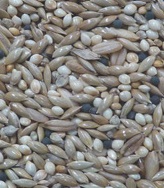
The best food for pigeons, also known as rock doves and the same species you see on city streets, is a clean grain and legume mix of wheat, sorghum, corn, peas and safflower, served with grit and fresh water every day.
Pigeon Food Key Takeaways
The best food for pigeons is a grain and legume mix such as wheat, sorghum, corn, dun peas and safflower.
An adult pigeon eats roughly 30 to 50g of mix a day, with larger or harder working birds needing more.
Pigeons need grit at all times, because they grind whole seeds in the gizzard and have no teeth.
Pigeons drink by sucking water up, so they need a dish deep enough to dip their beak right in.
Pigeons that race or raise young do better with extra peas for protein and extra safflower for energy.
Pigeon pellets or crumbles can make up half or more of a pet pigeon’s diet, and avian vets warn that pigeons fed only seed or bread can develop fatty liver and poor feathers.
Avigrain Pigeon Mix and other pigeon feed can be bought from Birdsville’s Alexandria store in Sydney or ordered through Petsville.
Pigeon Food Quick Facts
Domestic pigeon: Columba livia domestica, bred from the wild rock dove
Diet type: Granivore, eating mainly grains, seeds and legumes
Main foods: wheat, sorghum, corn, dun peas and safflower
Daily amount: about 30 to 50g per adult pigeon
Grit: available at all times
Water: fresh every day, in a deep dish
Extras: greens, a multivitamin and a calcium source
Protein needs: about 14% for resting birds, up to 20% for breeding pairs
Storage: sealed, cool and dry, away from mice
What Do Pigeons Eat?
Pigeons eat whole grains, seeds and legumes, which they swallow whole and break down in the gizzard with the help of grit.
The domestic pigeon (https://en.wikipedia.org/wiki/Domestic_pigeon), Columba livia domestica, descends from the rock dove (https://en.wikipedia.org/wiki/Rock_dove), a ground feeding seed eater. Pet, fancy and racing pigeons all thrive on a blend of energy grains balanced with protein from peas. Wheat and sorghum supply steady energy, corn adds carbohydrate for warmth and flight, dun peas provide protein for muscle and feathers, and safflower adds oil for condition and long flights.
What Is the Best Pigeon Seed Mix?
For most pet, fancy and aviary pigeons, the best pigeon seed mix is Avigrain Pigeon Mix (https://petsville.com.au/products/avigrain-seed-pigeon-mix-4kg), an Australian made maintenance mix.
Avigrain Pigeon Mix contains wheat, sorghum, corn, dun peas and safflower, giving a healthy adult pigeon a good balance of energy and protein. Pet and fancy pigeon owners use it as an everyday stock feed. Many racing and breeding pigeon keepers use the same mix as a base and add extra peas or safflower when needed. Pigeon Mix comes in a 4kg bag, and a 20kg bag is available for click and collect from our Alexandria store. Our Seeds and Grains page (https://birdsville.net.au/seeds-grains/) shows the other grains we sell.
Should Pigeons Eat Pellets?
Melbourne Bird Vet (https://www.melbournebirdvet.com/post/diet-for-pet-pigeons) suggests pellets or crumbles can make up around half of a pet pigeon’s diet, or even all of it, with the rest coming from grain, vegetables and small treats. Passwell Crumbles (https://petsville.com.au/products/passwell-crumbles-1kg) are a good choice for pigeons. Birds raised on grain may ignore pellets at first, so mix a few through the seed, or dampen them slightly, and cut back on treats until they’re eating them. Racing and breeding lofts usually stay with grain, as fanciers prefer to adjust the mix by hand.
How Much Pigeon Feed Does a Pigeon Need?
Feed an adult pigeon about 30 to 50g of mix a day, which is roughly two heaped tablespoons.
Many pigeon keepers feed twice a day and give the birds about 15 to 20 minutes to eat, then take away what’s left. That way no grain is wasted or left to spoil, and you’ll quickly spot a bird that has gone off its food. Larger pigeon breeds, pigeons in cold weather and pairs feeding young need more. If your pigeons leave food behind every time, cut back a little. Pigeons like to stand on their food bowls, so use a feeder with a cover or place bowls where droppings won’t fall into them.
Do Pigeons Need Grit?
Yes, pigeons need grit available at all times, because they have no teeth and rely on small stones in the gizzard to grind their grain.
Offer pigeon grit in its own dish and top it up weekly. Shell grit (https://petsville.com.au/products/shell-grit-5kg) also supplies calcium, which hens need for strong eggshells. Mineral grit adds trace elements, and many pigeon keepers offer both shell grit and mineral grit. Fanciers also put out a pigeon mineral, often a pink mineral powder, or a mineral block that birds can peck at.
What Else Should Pigeons Eat Besides Seed?
Alongside their grain mix, pigeons benefit from a few greens, a regular multivitamin and a reliable calcium source.
Can Pigeons Eat Vegetables?
Yes, pigeons can eat leafy greens and some vegetables as a small extra to their grain mix. Offer chopped greens such as silverbeet, endive, broccoli or lettuce once or twice a week, along with peas, corn kernels and grated carrot. Pigeons in an aviary also enjoy picking at seeding grasses. You can also sprout part of the grain mix for a fresh, easily digested food. Instructions are on our Best Bird Treats page (https://birdsville.net.au/bird-treats-tips-and-sprouted-mix/).
Do Pigeons Need Vitamins?
Pigeons on a grain diet benefit from a vitamin supplement, especially during the moult and breeding. Adding Vetafarm Multivet (https://petsville.com.au/products/vetafarm-multivet-50ml) to the drinking water one to three days a week fills the gaps a grain diet leaves. More isn’t better, as too many supplements can harm pigeons just as a lack of them can. Vetafarm Calcivet (https://petsville.com.au/products/vetafarm-calcivet-50ml) gives laying hens extra calcium.
What Treats Can You Give Pigeons?
Good pigeon treats include peanuts, canola seed, a spoonful of finch or canary seed, millet and the odd mealworm. Pigeons love peanuts for their fat, and many fanciers use canola or small seeds as a reward when training birds to come back into the loft. Mealworms add extra protein. Keep treats to a small part of the day’s food so birds still eat their main mix.
What Foods Are Bad for Pigeons?
Never give pigeons chocolate, avocado, onion, rhubarb, coffee, alcohol or salty food, as all of these can make them ill. Some grains are poor choices too. Pigeons dislike rough barley and bitter brown peas or brown sorghum, and they prefer lighter coloured grains in a size they can swallow easily. Bread fills pigeons up without giving them the nutrition they need, so leave it out.
How Should You Water Pigeons?
Give pigeons fresh, clean water every day in a dish at least 5cm deep, because pigeons suck water up through the beak instead of tipping their head back like most birds.
Change a pigeon’s water daily and scrub the drinker each week. Vetafarm Aviclens (https://petsville.com.au/products/vetafarm-aviclens-water-cleanser-100ml) helps keep water clean in hot weather. Pigeons also love to bathe, so put out a shallow bath two or three times a week, then take it away after an hour or so to keep the loft dry.
What Is the Best Food for Racing and Breeding Pigeons?
Racing and breeding pigeons need more protein and energy than pet pigeons, so pigeon keepers adjust the mix through the year.
Breeding pigeon pairs feed their young on crop milk and softened grain, so they need extra peas and other legumes for protein while raising squabs. As a guide, the Australian Pigeon Company suggests about 12 to 14% protein for racing birds, around 14% for resting adults, 14 to 18% for young birds growing and moulting, and 15 to 20% for breeding pairs. Breeding mixes can be close to half peas. Racing pigeons need more carbohydrate and oil before and after a race, which is why fanciers add extra safflower and corn. After a race or a long trip, Vetafarm Spark Liquid (https://petsville.com.au/products/vetafarm-spark-liquid-50ml) in the water helps tired pigeons recover. During the moult, a little more protein helps new feathers grow. Outside these times, a standard maintenance mix like Avigrain Pigeon Mix keeps birds fit without making them overweight.
Pigeon Food Frequently Asked Questions
Is bread bad for pigeons?
Bread isn’t poisonous to pigeons, but it’s poor food. Bread fills pigeons up without the protein, vitamins and minerals they need, and mouldy bread can make them sick. A grain and pea mix like Avigrain Pigeon Mix, plus grit and clean water, keeps pigeons far healthier. Keep bread as a rare treat, if at all.
Can pigeons eat wild bird seed or parrot seed?
Pigeons can eat small seeds, but most wild bird and parrot mixes are too heavy in millet or sunflower to suit them. A proper pigeon mix has larger grains like wheat, corn and sorghum, plus peas for protein. Feeding the right mix keeps pigeons at a healthy weight and in better condition for flying.
Can pigeons eat rice?
Yes, pigeons can safely eat plain cooked or uncooked rice. The old story that raw rice makes birds explode isn’t true. Rice is mostly starch, though, so it shouldn’t replace a balanced grain and pea mix. Offer rice to pigeons only as a small extra, and never give rice that has salt, butter or sauce added.
Can doves eat pigeon mix?
Larger doves can eat pigeon mix, but smaller doves like Diamond Doves struggle with whole corn and peas. Small doves do better on smaller seeds, cracked corn and a finch mix such as Basic Finch Mix (https://petsville.com.au/products/avigrain-seed-finch-blue-2kg). Our Doves page (https://birdsville.net.au/animals-for-sale/birds-for-sale/doves/) covers the doves we keep, and staff in store can point you to the right seed.
How should I store pigeon seed?
Store pigeon seed in a sealed metal or heavy plastic bin somewhere cool and dry. A sealed bin keeps out mice, weevils and moisture, which can cause mould. Only buy as much as your birds will eat in about eight weeks, and throw out any grain that smells musty, has webbing or shows signs of insects.
How often should you feed pigeons?
Feed pigeons once or twice a day at the same times each day. Many keepers feed morning and late afternoon, offering only what the birds clear in about 15 to 20 minutes. Regular times keep pigeons settled, show you quickly if one goes off its food, and help racing birds learn to return to the loft.
What do baby pigeons eat?
Baby pigeons, called squabs, are fed crop milk (https://en.wikipedia.org/wiki/Crop_milk) by both parents for the first week, then a mix of crop milk and softened grain. A squab without parents must be hand fed a rearing formula such as Passwell Hand Rearing Food (https://petsville.com.au/products/passwell-hand-rearing-food-300g), fed warm from a syringe. Step by step instructions are on our Hand Raising Baby Birds page (https://birdsville.net.au/hand-raising-baby-birds/).
Can pigeons eat fruit?
Yes, pigeons can eat small pieces of fruit such as apple, pear, grapes and berries, but most show little interest. Pigeons are grain eaters, so fruit should only ever be an occasional extra. Remove the seeds from apples and pears first, and take away any fruit that hasn’t been eaten within a few hours.
Where Can I Buy Pigeon Seed and Pigeon Feed in Sydney?
Visit us in store or call us on (02) 9669 1766. We’re open 9:30am to 5:30pm Monday to Friday, 10am to 5pm Saturday and 10am to 4pm Sunday, and directions are on our Contact page (https://birdsville.net.au/contact-birdsville/). Pigeon seed is sold at our store, Birdsville, 684 Botany Road, Alexandria NSW 2015, servicing the Eastern Suburbs and Inner South Sydney. For opening hours and directions, see our Contact page (https://birdsville.net.au/contact-birdsville/). Every grain on this page is available in store, along with grit, vitamins and other pigeon supplies. Our team can help you put together the best food for your pigeons, from a couple of pets to a full racing loft.
Pigeon keepers outside Sydney can shop on Petsville (https://petsville.com.au/), which ships across Australia, and see every grain we carry in the Petsville seed range (https://petsville.com.au/collections/seed-1). Seed can’t be posted to Western Australia or Tasmania because of biosecurity rules.
Pigeon supplies you can order from Petsville:
Avigrain Pigeon Mix (https://petsville.com.au/products/avigrain-seed-pigeon-mix-4kg)
Shell Grit (https://petsville.com.au/products/shell-grit-5kg)
Passwell Crumbles (https://petsville.com.au/products/passwell-crumbles-1kg)
Vetafarm Multivet (https://petsville.com.au/products/vetafarm-multivet-50ml)
Vetafarm Calcivet (https://petsville.com.au/products/vetafarm-calcivet-50ml)
Birdsville Blends Finch and Canary, for small doves (https://petsville.com.au/products/birdsville-blends-finch-canary-500g) (https://petsville.com.au/products/avigrain-seed-finch-blue-2kg)
If you keep doves as well, our Finch Seed page (https://birdsville.net.au/seeds-grains/finch-seed/) covers the smaller seeds they need, and our Flight Cages page (https://birdsville.net.au/flight-cages/) shows housing options for smaller flocks. For other species, browse our Bird Information page (https://birdsville.net.au/birds-for-sale/) and Pet Care Guides (https://birdsville.net.au/pet-care-guides/).
About Birdsville
Birdsville has been trading in Alexandria since 1985 and specialises in birds and small animals. Our store at 684 Botany Road, Alexandria NSW 2015 carries seed and grain for pigeons, doves, canaries, finches and parrots, plus our own Birdsville Blends (https://birdsville.net.au/birdsville-blends/) mixes, which we also sell through Petsville.
Sources
Ingredients, sizes and feeding amount: Avigrain Pigeon Mix product listing, Petsville
Domestic pigeon: Wikipedia, Domestic pigeon
Pellets, fresh food and foods to avoid: Melbourne Bird Vet, Diet for Pet Pigeons
Protein levels, grain blends and grains to avoid: The Australian Pigeon Company, Recommended Grain Blends
Feeding, grit and water advice: Birdsville’s own experience supplying pigeon keepers since 1985
Pigeon Seed for Sale Sydney
Here are the pigeon mix and straight grains on our shelves. You can pick up any of them in store, and Pigeon Mix is on Petsville too.
Avigrain Pigeon Mix


Wheat, Sorghum, Corn, Dun Peas and/or Safflower
A stock or maintenance mix for pigeon fanciers.