Last updated: October 2026
Written by the Birdsville team. We’ve been choosing and testing bird toys for parrots of every size at our Alexandria store since 1985.
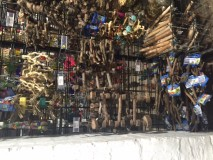
Natural bird toys are toys made from wood, banksia pods, sisal, seagrass, willow, palm leaf, coconut, cork and other plant materials that a parrot can safely chew, shred and destroy. Chewing is one of a parrot’s strongest natural needs, and natural toys let birds do it the way they would in the wild, tearing apart branches, bark, pods and leaves. Natural toys also keep beaks in shape, ease boredom and give your bird a safer outlet than its perches, cage or feathers. This page covers why natural toys matter, the best natural materials, which Australian native plants are safe, how to choose the right toy for your bird’s size, and how to keep natural toys clean. You’ll find natural bird toys in store at Birdsville, and an even bigger range online at Petsville (https://petsville.com.au/collections/hanging-bird-toys), with nearly 100 hanging toys and more than 50 foot toys that can be shipped anywhere in Australia.
Natural Bird Toys Key Takeaways
Natural bird toys are made from plant materials such as wood, banksia, sisal, seagrass, willow, palm, coconut and cork.
Chewing and shredding are natural needs for parrots, and natural toys give them a safe way to do both.
Australian natives such as banksia, eucalyptus, grevillea, bottlebrush, melaleuca and acacia are safe for birds.
Avoid treated or painted timber, and plants such as oleander, avocado, yew and dumb cane, which are toxic to birds.
Match the toy to your bird: soft woods and seagrass for small birds, thick hardwoods and chunky blocks for cockatoos and macaws.
Check toys for loose metal parts, as zinc and lead from cheap fittings can poison parrots.
A destroyed natural toy is a toy doing its job, so replace them often.
Natural bird toys are sold at Birdsville, 684 Botany Road, Alexandria, and online through Petsville with shipping Australia wide.
Natural Bird Toys Quick Facts
What they are: bird toys made from untreated wood, plant fibres, pods, leaves and bark
Common materials: banksia, sisal, seagrass, willow, rattan, palm leaf, coconut shell, cork, sola, loofah and yucca wood
Safe Australian natives: banksia, eucalyptus, grevillea, callistemon (bottlebrush), melaleuca and acacia
Toxic plants to avoid: avocado, oleander, yew, dumb cane, lupins and many garden ornamentals
Best for: every parrot, from budgies to macaws
Replace: whenever a toy is chewed down, soiled or mouldy
Cleaning: brush off droppings, rinse in plain water, and dry fully in the sun
Why Are Natural Toys Good for Parrots?
Natural toys are good for parrots because they satisfy the urge to chew and shred, keep the beak trim, and help prevent boredom and the problems it causes.
In the wild, parrots spend much of their day stripping bark, cracking pods and tearing up leaves and branches. RSPCA Queensland (https://www.rspcaqld.org.au/resources/pet-care/bird-enrichment-pet-care-MCGRRT4RB62FATNGRJHX7BWSNUQA) lists chewing among the natural behaviours birds need to express, and warns that under stimulated birds may start behaving abnormally. A pet parrot with nothing to destroy will often turn on its perches, cage or even its own feathers. Natural toys give that energy somewhere safe to go, and the crunch, texture and smell of real plant material appeals to parrots far more than plastic. Our guides to squawking (https://birdsville.net.au/screaming-and-squawking-parrots-how-to-stop/) and parrot biting (https://birdsville.net.au/parrot-biting/) explain how boredom drives other problem behaviours too.
What Are the Best Natural Materials for Bird Toys?
The best natural materials for bird toys are untreated soft and hard woods, banksia pods, sisal, seagrass, willow, palm leaf, coconut shell and cork.
Wood and Banksia
Untreated wood is the classic natural toy. Soft woods such as balsa, yucca and pine are easy for small and medium birds to chew, while harder woods last longer for cockatoos and macaws. Banksia pods are a true Australian favourite: they’re tough, woody and full of holes and ridges for a parrot to work at.
Sisal, Seagrass and Rattan
These woven plant fibres are perfect for shredding and pulling apart. Seagrass and rattan suit most parrots, and sisal rope is strong enough to hang heavier toys. Keep an eye on frayed rope, and trim long loose strands that could wrap around toes.
Willow, Palm Leaf and Coconut
Willow twigs, woven palm leaf and coconut shell give a parrot plenty of different textures. Willow is soft enough for budgies and cockatiels to strip, palm leaf shreds into satisfying strips, and coconut shell gives bigger beaks something hard to work on.
Cork, Sola and Loofah
Cork, sola (a light, pith based wood) and loofah are soft and crunchy. They’re ideal for birds that are new to chewing, older birds, and small parrots that can’t break harder wood.
Which Australian Native Plants Are Safe for Birds?
Banksia, eucalyptus, grevillea, callistemon (bottlebrush), melaleuca and acacia are safe Australian natives to give pet birds.
Avian vet Dr Rob Marshall of Birdhealth (https://www.birdhealth.com.au/plants-for-birds) recommends sticking to Australian natives for branches and chew material. Fresh branches cut from the ends of healthy trees make a free natural toy, as long as they’re free of dirt, mould and fungus. Wash any branches collected near busy roads, and only use plants you know haven’t been sprayed. A wet branch also doubles as a bath, which many parrots love.
Which Plants Are Toxic to Birds?
Avocado, oleander, yew, dumb cane and lupins can be fatal to birds, according to Birdhealth. Azaleas, privet, poinsettia, philodendron, foxglove, white cedar, pepper trees and castor oil plant are also poisonous. If you’re not sure what a plant is, don’t give it to your bird.
How Do You Choose the Right Natural Toy for Your Bird?
Choose a natural toy that matches your bird’s size and chewing strength, made from untreated materials with bird safe fittings.
Best Natural Toys for Budgies, Cockatiels and Lovebirds
Small birds need soft materials they can strip and shred. The Willow Bundle (https://petsville.com.au/products/nature-island-chew-n-play-willow-bundle), Nature Coronet (https://petsville.com.au/products/rosewood-nature-coronet-12cm), Hanging Bristle Bunches (https://petsville.com.au/products/nature-island-hanging-bulrush-bunches) and BeakJoy Sola Ball ’n’ Coco (https://petsville.com.au/products/beakjoy-sola-ball-n-coco) are all a good size for small beaks. Natural Swings (https://petsville.com.au/products/cpa-swings-10cm) in real wood come in sizes from 10cm up.
Best Natural Toys for Conures, Quakers and Indian Ringnecks
Conures, quakers and ringnecks enjoy a mix of textures with a little more strength. Try the Natural Chew Toy (https://petsville.com.au/products/nat-island-natural-chew-toy-birds) with wooden blocks, acorn shells, willow balls and pine cones, the Forest Puppet (https://petsville.com.au/products/nature-island-forest-puppet) with mahogany, corn, sola and rattan, the Bainbridge Natural Palm Tree (https://petsville.com.au/products/bainbridge-palm-tree), Catch of the Day (https://petsville.com.au/products/catch-of-the-day-bird-toy) made from corn husk, seagrass and sisal, or the BeakJoy Seagrass Nest Weaver (https://petsville.com.au/products/beakjoy-seagrass-nest-weaver).
Best Natural Toys for Cockatoos, Galahs, Eclectus, Greys and Macaws
Big parrots need chunky toys made to be destroyed. The Bird Kabob Grande (https://petsville.com.au/products/bird-kabob-grande-42cm-1) has four thick rounds of soft yucca wood on sisal rope, made for larger birds, and the Bird Kabob Ole Junior (https://petsville.com.au/products/bird-kabob-ole-junior-33cm) is a smaller version. The Sisal Rope and Log Bridge (https://petsville.com.au/products/nat-island-sisal-rope-and-log-bridge-m) has bark covered rungs a bird can spend hours peeling. In store, our Cocky Chew Toys are built for macaws, cockatoos and African greys.
How Do You Keep Natural Bird Toys Safe?
Keep natural bird toys safe by checking them every few days, removing broken or mouldy pieces, and avoiding toys with cheap metal fittings.
Many cheap bird toys use bells, chains and clips that contain zinc or lead. The Unusual Pet Vets (https://www.unusualpetvets.com.au/wp-content/uploads/2018/07/Heavy-Metal-Poisoning-in-Parrots.pdf) warn that bell toys and zinc coated wire are common causes of heavy metal poisoning in parrots, with signs such as weakness, wobbling, vomiting and seizures. Choose toys with stainless steel or bird safe hardware, and remove any metal part your bird is chewing. Check natural toys for splinters, sharp edges and long loose strands, and throw away anything mouldy, soiled or chewed down to small pieces your bird could swallow. Never use timber that’s been painted, varnished or treated, as the chemicals can be toxic.
How Do You Clean Natural Bird Toys?
Clean natural bird toys by brushing off droppings, rinsing them in plain water and drying them completely in the sun before putting them back.
Avoid soaking natural toys in strong cleaning products, as the materials absorb them and your bird will chew them later. Wood, seagrass and sisal hold moisture, so a toy that stays damp can grow mould. If a natural toy is heavily soiled or smells musty, it’s safer to replace it.
How Does Sydney’s Weather Affect Natural Toys?
Sydney’s humid summers and cool winters both change how you look after natural bird toys.
In summer, humidity and storms make wood, seagrass and sisal slower to dry, so check natural toys for mould more often and dry any wet toys or fresh branches fully in the sun. Native branches are at their freshest in spring and summer, and a wet branch makes a great cooling bath on a hot day. In winter, birds spend longer indoors, so add a couple of extra natural toys and rotate them weekly to fill the longer evenings.
A Tip From Our Staff
Don’t underestimate a big parrot. Our Cocky Chew Toys are made for macaws, cockatoos and African greys, and one of them took a sulphur crested cockatoo over six months to destroy. For powerful chewers, choose the chunkiest, toughest natural toy you can find. A toy that lasts is a far better buy than one your bird finishes in an afternoon.
Natural Bird Toys Frequently Asked Questions
What are natural bird toys?
Natural bird toys are toys made from plant materials such as untreated wood, banksia pods, sisal, seagrass, willow, palm leaf, coconut shell and cork. They give parrots something safe to chew, shred and destroy, which keeps their beaks in shape and helps prevent boredom, feather picking and other problem behaviours.
What wood is safe for parrot toys?
Untreated wood from safe trees is fine for parrot toys. Australian natives such as banksia, eucalyptus, grevillea, bottlebrush, melaleuca and acacia are safe, along with commercial bird toy woods like balsa, yucca, willow and pine. Never use painted, varnished or treated timber, and avoid toxic plants such as oleander, avocado and yew.
Are natural toys better than plastic toys for birds?
Natural toys are usually better for chewing because parrots can safely shred and destroy them, which satisfies a strong natural urge. Hard plastic and acrylic toys last longer and suit puzzles and bells, but they can’t be chewed apart. Most parrots do best with a mix, with natural toys making up the bulk.
Can I give my bird branches from my garden?
Yes, as long as the plant is a safe species such as banksia, eucalyptus, grevillea, bottlebrush or melaleuca, and it hasn’t been sprayed. Cut fresh branches from the ends of healthy trees, avoid any with mould or fungus, and wash branches collected near busy roads before giving them to your bird.
How often should I replace natural bird toys?
Replace natural bird toys whenever they’re chewed down to small pieces, soiled with droppings, or show any sign of mould. Heavy chewers like cockatoos may destroy a toy in days, while smaller birds can keep one for weeks. Rotating a few toys each week keeps your bird interested and lets damp toys dry out.
Why does my parrot destroy its toys?
Parrots destroy toys because chewing, shredding and taking things apart is natural behaviour. In the wild they strip bark, crack pods and tear leaves every day. A parrot that destroys its toys is healthy and busy, so choose natural toys made to be destroyed and replace them as they wear out.
Where Can I Buy Natural Bird Toys in Sydney?
Birdsville stocks a large range of natural bird toys, including banksia chew toys, sisal wood chew toys and our tough Cocky Chew Toys, at 684 Botany Road, Alexandria NSW 2015, servicing the Eastern Suburbs and Inner South Sydney. Come in and see the range or call us on (02) 9669 1766, so we can help you pick the right toy for your bird’s size and chewing strength. We’re open 9:30am to 5:30pm Monday to Friday, 10am to 5pm Saturday and 10am to 4pm Sunday, with directions on our Contact page (https://birdsville.net.au/contact-birdsville/).
Can’t make it to the shop? Petsville has a huge range of bird toys online, ready to ship straight to your door anywhere in Australia. Browse nearly 100 hanging toys (https://petsville.com.au/collections/hanging-bird-toys) and more than 50 foot toys (https://petsville.com.au/collections/foot-toys), from willow, seagrass and sisal to yucca wood, palm leaf and coconut, with new natural toys added all the time. It’s the easiest way to keep a steady supply of fresh toys coming for a bird that chews through them fast.
Popular natural bird toys on Petsville:
Natural Chew Toy (https://petsville.com.au/products/nat-island-natural-chew-toy-birds)
Willow Bundle (https://petsville.com.au/products/nature-island-chew-n-play-willow-bundle)
Bird Kabob Grande (https://petsville.com.au/products/bird-kabob-grande-42cm-1)
Sisal Rope and Log Bridge (https://petsville.com.au/products/nat-island-sisal-rope-and-log-bridge-m)
BeakJoy Seagrass Nest Weaver (https://petsville.com.au/products/beakjoy-seagrass-nest-weaver)
Natural Swings (https://petsville.com.au/products/cpa-swings-10cm)
Looking for more? See our Bird Foot Toys (https://birdsville.net.au/bird-foot-toys/), Foraging Bird Toys (https://birdsville.net.au/foraging-bird-toys/) and Bird Swings (https://birdsville.net.au/swings/) pages.
About Birdsville
Birdsville has been at 684 Botany Road, Alexandria NSW 2015 since 1985, specialising in birds and small animals. Our shelves hold a huge range of avian products, with natural chew toys, swings, perches and cages for every size of bird.
Sources
Chewing as a natural need and boredom behaviours: RSPCA Queensland, Bird Enrichment
Safe Australian native plants, toxic plants and collecting branches: Dr Rob Marshall, Birdhealth, Plants for Birds
Heavy metal poisoning from toys and cage wire: The Unusual Pet Vets, Heavy Metal Poisoning in Parrots
Product materials: Petsville product listings
Staff tip and seasonal advice: the Birdsville team
Natural Bird Toys for Sale Sydney
Natural Bird Toys are a great way to entertain and simulate your bird. There is a large range of natural toys available in store at Birdsville.
Banksia Chew Toys
Available in Small and Larg
Sisal Wood Chew Toys
Available in Small with bell, Small without ball and Large without bell
Cocky Chew Toys
Only available in one size.
Excellent for macaws, cockatoos, afrian greys and birds of similar size.
Cocky Chew Toys
Only available in one size.
It took over 6 months for a Sulphur Crested Cockatoo to destroy.
Excellent for macaws, cockatoos, afrian greys and birds of similar size.
More natural toys coming soon.