Written by the Birdsville team. Last updated October 2026.
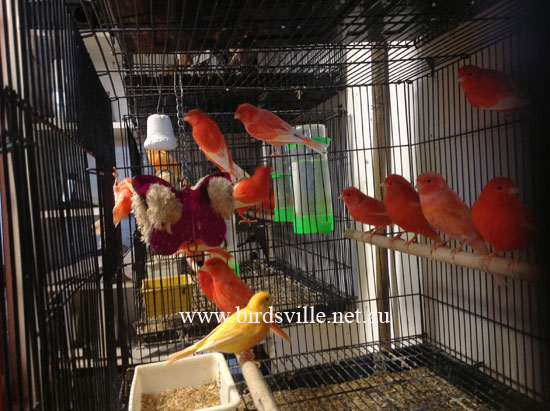
The red factor canary is one of the most striking canaries you can keep, with plumage ranging from deep red to orange and copper. Birdsville occasionally has red factor canaries for sale at 684 Botany Road, Alexandria NSW 2015, servicing the Eastern Suburbs and Inner South Sydney, alongside other canary breeds that change through the year. The secret to a red factor canary is diet. Their red colour comes from the food they eat while new feathers grow, so this page explains how to keep your red factor red. We’re a small business that does things in a big way. Nobody tells us how to run things, so we keep our birds and products the best of the best.
Written by the Birdsville team. Last updated October 2026.
The red factor canary is one of the most striking canaries you can keep, with plumage ranging from deep red to orange and copper. Birdsville occasionally has red factor canaries for sale at 684 Botany Road, Alexandria NSW 2015, servicing the Eastern Suburbs and Inner South Sydney, alongside other canary breeds that change through the year. The secret to a red factor canary is diet. Their red colour comes from the food they eat while new feathers grow, so this page explains how to keep your red factor red. We’re a small business that does things in a big way. Nobody tells us how to run things, so we keep our birds and products the best of the best.
What Is a Red Factor Canary?
A red factor canary is a colour bred canary, prized for its red plumage. It was developed in the 1920s by crossing domestic canaries with the red siskin, a small red finch from South America. Today the red colour is kept going through selective breeding of canaries that carry the red genes.
Red factors carry the genes to turn red, but they still need red pigments in their diet to show the colour. Without them, a red factor’s new feathers grow in orange, apricot or pink. Red factors come in red, orange, copper and “mosaic”, which has red patches on a pale body.
What You Need to Know About Red Factor Canaries
Cage: Canaries fly side to side, so choose a long cage, at least 60 cm wide, and the bigger the better. Canaries prefer warm conditions and are sensitive to draughts and damp, so keep the cage somewhere warm, dry and out of draughts.
Diet: Feed a quality canary seed mix, greens and egg and biscuit, plus colour food around the moult. Our top seed pick is Birdsville Blends Finch & Canary (https://petsville.com.au/products/birdsville-blends-finch-canary-500g).
Water: Fresh, clean water every day.
Handling: Like all canaries, red factors don’t need handling to be happy, but they’re calm birds that can become comfortable around people.
For general canary care, see our Canaries for Sale Sydney page [Canaries for Sale page link] and our canary care page [Canary care page link].
Visit our Facebook (https://www.facebook.com/BirdsvilleRosebery/), Instagram (https://www.instagram.com/petsvillesydney/) and TikTok (https://www.tiktok.com/@birdsvillepets) pages for updated photos, live updates and what we currently have in stock.
Keeping Your Red Factor Canary Red
Red factor canaries need red pigments in their diet while new feathers grow, or their colour fades. The pigment only reaches feathers as they’re forming, so the timing of colour feeding matters most.
When to colour feed: Start just before the moult and continue until it’s finished. In Australia the main moult is usually summer to autumn. Young canaries go through their first moult at around 8 to 9 weeks old, so start colour feeding them before then.
What to feed: Red colour foods contain canthaxanthin, the red pigment that keeps red factors red. They come as colour fortified seed, a powder for soft food, or a water additive. Always follow the label carefully, because more isn’t better. Ask our team about red colour foods when you visit.
Natural colour boosters: Carrot, red capsicum, beetroot, broccoli and other foods rich in carotenoids help support good colour alongside a colour food.
Here’s a tip from our team. Mixing a little colour food into egg and biscuit is an easy way to make sure every bird gets its share during the moult.
Why You Should Get a Red Factor Canary
Red factors are one of the most colourful pet birds you can keep, and a well colour fed bird is stunning.
Like all canaries, they’re calm, relaxed birds and easy to look after.
They’re quiet apart from the male’s song, so they suit apartments.
They don’t need handling, which makes them a great choice for busy households.
Why a Red Factor Canary Might Not Be Right for You
Keeping the colour takes effort. If you don’t colour feed around the moult, your bird will lose its red.
Red factors are bred mainly for colour, not song. Males do sing, but usually not as strongly as song breeds like the Roller.
Two males kept together often fight.
Like all canaries, they’re sensitive to draughts, damp and sudden temperature changes.
Red Factor Canary Diet at a Glance
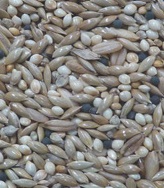
Seed: Our top pick is Birdsville Blends Finch & Canary (https://petsville.com.au/products/birdsville-blends-finch-canary-500g), a fresh blend of 70% canary seed with niger, hulled oats, vegetables, herbs and greens. Birdsville Blends are bagged fresh on site with a high turnover, so the seed never sits on a shelf, and buying from the people who mix it means better value. Avoid many chain store mixes, which use low quality grains and filler seed that affect the health and vitality of your bird.
Egg and biscuit: extra protein, especially during the moult and breeding. Try Shep’s Egg & Biscuit (https://petsville.com.au/products/sheps-egg-biscuit-500g).
Colour food: before and during the moult, as explained above.
Grit and calcium: offer shell grit (https://petsville.com.au/products/shell-grit-5kg) in its own dish, separate from the seed, and a cuttlebone (https://petsville.com.au/products/avi-one-cuttlebone-with-stainless-steel-clip).
Greens and vegetables: bok choy, spinach, silverbeet, broccoli, seeding grass, carrot and red capsicum.
Vitamins: add Vetafarm Multivet (https://petsville.com.au/products/vetafarm-multivet-50ml) to the water to keep your canary in top condition.
Sexing & Refund Policy
It’s almost impossible to be 100% sure of a canary’s sex. Most males sing and most hens don’t, but some hens sing and some males don’t. Because of this, we can’t offer a refund, credit or exchange based on the sex of the bird. All our animals come with a health guarantee.
Red Factor Canary Availability
We occasionally have red factor canaries for sale, and the canary breeds in store change throughout the year. Call us or check our Facebook, Instagram and TikTok to see what’s in. If you’re after a red factor, ask our team and we’ll let you know when one comes in.
Canary Supplies & In-Store Help
Cages, seed, grit, perches and everything else your red factor canary needs are available in-store, and we regularly run bird and cage specials. Ask our team about setup deals when you choose your canary, and we’ll help you put together the right setup so nothing gets forgotten. You can also browse canary food and supplies on Petsville (https://petsville.com.au/collections/seed-1) before you visit.
Taking Your New Red Factor Canary Home
Bring your canary home in a small, secure carry box, and go straight home. We sell carry cages in-store. Never leave your canary in a parked car, even for a few minutes.
Sydney seasonal tip: Canaries are sensitive to heat, and summer is also when the moult starts. Keep the cage out of direct afternoon sun, travel in the cooler part of the day, and have your colour food ready before the hot weather arrives.
Once home, keep your new canary in a separate cage for 4 to 6 weeks before introducing it to other birds. Worm it every 6 months if it lives indoors, or every 3 months in an outdoor aviary, using Vetafarm Wormout Gel (https://petsville.com.au/products/vetafarm-wormout-gel-50ml). Control lice and mites with Avitrol Mite & Lice Spray (https://petsville.com.au/products/fidos-avitrol-bird-mite-and-lice-spray-125ml), removing food and water first and avoiding the eyes.
Red Factor Canary Frequently Asked Questions
Why is my red canary turning orange?
Red factor canaries need red pigments in their diet to stay red. Their colour comes from canthaxanthin and other carotenoids eaten while new feathers grow. Without colour feeding during the moult, new feathers come through orange, apricot or pink. Start colour feeding before the moult and continue until it’s finished.
Do red factor canaries sing?
Male red factor canaries do sing, but they’re bred mainly for colour, not song, so they’re usually not as strong singers as song breeds like the Roller. Hens chirp but rarely sing. If song matters most to you, ask our team which of our canaries are the best singers.
What do red factor canaries eat?
A quality canary seed mix such as Birdsville Blends Finch & Canary, egg and biscuit, greens and fresh water, plus red colour food and red rich vegetables like carrot and red capsicum around the moult. Always give grit in a separate dish and a calcium source like a cuttlebone.
When should I colour feed my red factor canary?
Colour feed just before and all through the moult, which in Australia is usually summer to autumn. Pigment only reaches feathers while they’re growing, so feeding outside the moult has little effect. Young canaries should be colour fed from about 8 to 9 weeks old, before their first moult.
Do you have red factor canaries for sale in Sydney?
We occasionally have red factor canaries for sale at Birdsville in Alexandria, alongside other canary breeds that change through the year. Call (02) 9669 1766 or check our Facebook, Instagram and TikTok to see what’s in, or ask us to let you know when red factors arrive.
Can red factor canaries live with other canaries?
Yes. Red factor canaries can share a cage or aviary with other canaries, including yellow canaries. Hens usually live together happily, but two males in the same cage often fight, so keep males apart or give them a large aviary. Colour food only changes the colour of red factor birds.
Visit Birdsville for Red Factor Canaries in Sydney
Come and see our canaries at Birdsville, 684 Botany Road, Alexandria NSW 2015, on the corner of Gardeners Road and Botany Road, with parking out the front and on the street. Visit us or call (02) 9669 1766 to ask whether red factors are in. Birdsville has been trading in Sydney since 1985, and we believe we’re now the oldest bricks and mortar bird shop still open in Australia.