
Written by the Birdsville team. Last updated October 2026.
Finch care comes down to five things: a quality finch seed mix, a varied diet, a long cage or aviary, warmth without draughts, and low stress. Finches are small, delicate birds that can become ill very quickly, but with the right setup they’re easy, rewarding birds to keep. This guide covers everything from bringing new finches home to diet, health, breeding and which finches mix well together. Every product we recommend is available from Petsville, delivered Australia-wide, or in-store at Birdsville in Sydney. For details on your particular species, see that bird’s own page on our website.

Finch Care Sheet
A quick reference to print or keep handy.
Housing: a long cage or aviary, out of draughts, with perches, a bath and separate dishes.
Seed: a fresh, quality finch mix such as Birdsville Blends Finch & Canary.
Extras: fresh greens, egg and biscuit, sprouted seed and millet sprays.
Live food: mealworms or insect food, especially when breeding.
Grit and calcium: fine finch grit in its own dish, plus a calcium source.
Vitamins: in the water a few days a week.
Water: fresh and clean every day.
Worming: every 3 months for outdoor birds, every 6 months for indoor birds.
Mite and lice spray: birds, nests and cage every 3 months.
New birds: keep separate for 4 to 6 weeks before introducing.
Cleaning: water and seed daily, cage weekly, aviary checks monthly.
Finch Shopping List
Food
Birdsville Blends Finch & Canary (https://petsville.com.au/products/birdsville-blends-finch-canary-500g)
Basic Finch Mix (https://petsville.com.au/products/avigrain-seed-finch-blue-2kg)
Millet sprays (https://petsville.com.au/products/millet-sprays-mixed-100g)
Shep’s Egg & Biscuit (https://petsville.com.au/products/sheps-egg-biscuit-500g)
Vetafarm Finch & Budgie Crumbles (https://petsville.com.au/products/vetafarm-finch-budgie-crumbles-450g)
Vetafarm Insecta-Pro (https://petsville.com.au/products/vetafarm-insecta-pro-450g)
Health
Vetafarm Spark Liquid (https://petsville.com.au/products/vetafarm-spark-liquid-50ml)
Vetafarm Multivet (https://petsville.com.au/products/vetafarm-multivet-50ml)
Vetafarm Calcivet (https://petsville.com.au/products/vetafarm-calcivet-50ml)
Shell grit (https://petsville.com.au/products/shell-grit-5kg)
Cuttlebone with stainless steel clip (https://petsville.com.au/products/avi-one-cuttlebone-with-stainless-steel-clip)
Vetafarm Wormout Gel (https://petsville.com.au/products/vetafarm-wormout-gel-50ml)
Avitrol Mite & Lice Spray (https://petsville.com.au/products/fidos-avitrol-bird-mite-and-lice-spray-125ml)
Oxymav B, for the first aid kit (https://petsville.com.au/products/oxymav-b-100g)
H3: Breeding and Cleaning
Vetafarm Breeding Aid (https://petsville.com.au/products/vetafarm-breeding-aid-100ml)
Nesting material (https://petsville.com.au/collections/bird-subsrate)
Vetafarm Aviclens (https://petsville.com.au/products/vetafarm-aviclens-water-cleanser-100ml)
Vetafarm Avicare disinfectant (https://petsville.com.au/products/vetafarm-avicare-rtu-500ml)
Live food and Calcigrit are available in-store at Birdsville.
On This Page
Bringing New Finches Home
Finch Diet
A List of Good Foods for Finches
Keeping Finches Healthy
Housing Dangers for Finches
Cleaning Schedule
Is My Finch Sick?
Finch Compatibility with Other Birds
Finch Compatibility with Other Finches
Mixing Finches: Ideas for Beginners and Veterans
Frequently Asked Questions
Recommended Vets and Links
Bringing New Finches Home
Go straight home after buying your finches, to keep stress to a minimum. Set up the cage or aviary completely before the birds arrive, with perches, food and water all in place, then put the birds into their new home.
Give new finches about 5 days to settle in before moving things around in their enclosure.
Keep new birds away from your existing birds for 4 to 6 weeks. Place them in a cage inside or next to the aviary you plan to introduce them to. Resident birds can attack newcomers they’re not used to.
Help Your Finches Through a Move With Spark Liquid
Moving to a new home is stressful for finches, and stress can quickly lead to dehydration, the runs and illness in such a small bird. For the first few days after bringing finches home or moving them to a new cage or aviary, add Vetafarm Spark Liquid (https://petsville.com.au/products/vetafarm-spark-liquid-50ml) to their drinking water.
Spark Liquid is a vet formulated energy and electrolyte supplement. It contains glucose for a quick energy boost, plus sodium, potassium and citrate to replace the body salts birds lose through stress, heat and illness. It helps finches stay hydrated and settle in more easily.
Spark Liquid is also worth using:
during hot weather, especially if your finches are holding their wings out, breathing with their mouths open or sitting on the floor
when transporting birds to shows or between aviaries
while a bird recovers from illness or injury
Make up fresh Spark water every day and use it as the only water source while your birds need it. Spark Liquid is a must for every finch keeper’s first aid kit, and it’s available on Petsville in 50mL, 125mL and 250mL sizes.
Female Finches and Soft Releasing
Take care with new hens. Overzealous resident males can chase a newly arrived hen, which can stress her so much that it causes sudden death. That’s why we recommend placing new hens in a cage within sight of the males, so they can get used to each other first. This is called soft releasing.
Finch Diet
Diet is very important for finches, because everything you feed them is only a substitute for what they’d find in the wild. A wild finch can self medicate and supplement its own diet with different foods, vitamins and minerals. That’s why a varied diet matters so much for pet finches.
Almost all finches evolved to eat one thing, grass seed, which is why most finch mixes are mainly millet and canary seed. Seed is the basis of their diet, so quality matters. Many people believe all seed mixes are the same, but that couldn’t be further from the truth. Seed quality varies enormously, depending on where it comes from, how fresh it is, and what seeds or fillers make up the mix.
Our top pick is Birdsville Blends Finch & Canary (https://petsville.com.au/products/birdsville-blends-finch-canary-500g), our biggest selling finch blend. It’s bagged fresh on site with a high turnover, so it never sits on a shelf, and buying from the people who mix it means better value. Avoid many supermarket and chain store mixes, which use low quality grains and filler seed that affect the health and vitality of your birds. For the full guide to finch seed and food, see our Finch Seed and Food page [Finch Seed page link].
A Tip From Our Team
When one of our team first started breeding finches, at about 10 years old, he set up an aviary with some lovely pairs of Gouldian finches. They tried to breed, but very few young survived, even though everything else was done right. A local bird breeder asked where the seed came from. The answer was the local supermarket, where it looked nice, clean and neatly packaged. The breeder suggested changing the seed mix. It seemed odd, but nothing else had worked. The change made all the difference, and he’s been hooked on finches ever since. It’s why we constantly stress seed quality at Birdsville. So many people still feed a low grade mix, and their birds suffer.
A List of Good Foods for Finches
Sprouted seed: Soak some of your seed mix in water for 24 hours, rinsing it through a sieve twice a day. When the seeds have just started to sprout, they’re ready. Rinse them thoroughly with Aviclens (https://petsville.com.au/products/vetafarm-aviclens-water-cleanser-100ml) before feeding.
Egg and biscuit: An important source of protein, especially when breeding. We stock egg and biscuit from Passwell, Shep’s, AviOne and Vetafarm. Finches seem to enjoy them all, and different breeders simply prefer different brands. Try Shep’s Egg & Biscuit (https://petsville.com.au/products/sheps-egg-biscuit-500g).
Calcium: Essential for finches, especially breeding hens. We use Calcigrit, which we believe is the ideal calcium supplement for finches. It’s a mix of fine egg shell, crushed cuttlebone, limestone, charcoal and fine sea shell, in a form tiny finches can easily eat. It’s available in-store, and it should always be available to your birds. Shell grit (https://petsville.com.au/products/shell-grit-5kg) and a cuttlebone (https://petsville.com.au/products/avi-one-cuttlebone-with-stainless-steel-clip) are also good options. Never feed uncooked egg shell, as it can make birds ill.
Vitamins: Add a bird multivitamin such as Vetafarm Multivet (https://petsville.com.au/products/vetafarm-multivet-50ml) to the water. Vitamins coated on seed are wasted, because finches remove the husk and eat only the inside, so the water is the only reliable way to give them.
Live food: Almost all finches eat live food, especially when breeding, and it’s important for the young’s development. Mealworms and fly pupae are the usual choices, and they’re an important source of protein and fat. Live food is available in-store at Birdsville, and Vetafarm Insecta-Pro (https://petsville.com.au/products/vetafarm-insecta-pro-450g) is an easy insect food to keep on hand.
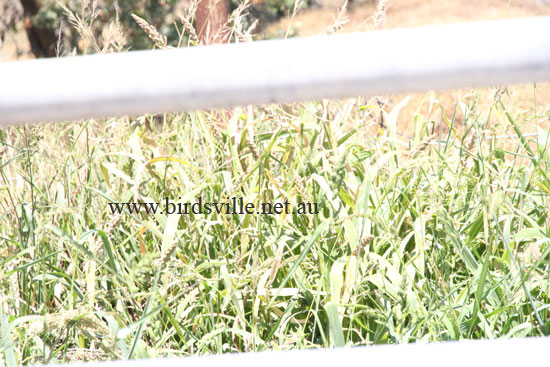
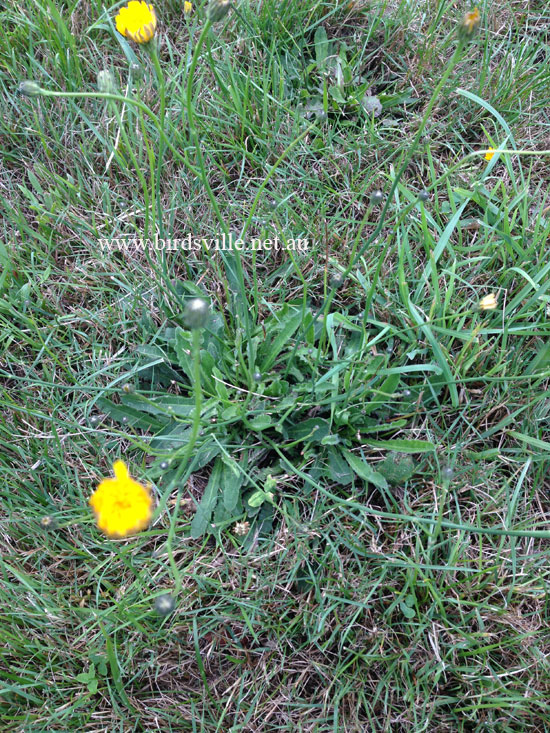
Greens: Seeding grasses are a favourite of almost all finches. Be wary of grass that’s been sprayed with pesticides, which can easily kill a finch. Other good greens include endive, chickweed, dandelion, silverbeet and kale. Always rinse greens before feeding.
Millet sprays: Fresh millet still on the stem. They’re healthier and more nutritious than glued seed cones, which finches struggle to pick the seed from. Buy millet sprays on Petsville (https://petsville.com.au/products/millet-sprays-mixed-100g).
Fresh water: The essence of life. Make sure your finches always have fresh, clean water. Dirty water can make birds sick, and even kill them.
Fruit: Not all finches eat fruit, so check your species’ own page.
Keeping Finches Healthy
Worm outdoor finches every 3 months and indoor finches every 6 months, using Vetafarm Wormout Gel (https://petsville.com.au/products/vetafarm-wormout-gel-50ml).
Spray birds, nests and living quarters with Avitrol Mite & Lice Spray (https://petsville.com.au/products/fidos-avitrol-bird-mite-and-lice-spray-125ml) every 3 months.
Use Spark Liquid in the water after a move, during hot weather, and when birds are stressed.
For breeding birds, add Vetafarm Breeding Aid (https://petsville.com.au/products/vetafarm-breeding-aid-100ml) to their seed, and Calcivet (https://petsville.com.au/products/vetafarm-calcivet-50ml) to their water.
Seasonal tip: Finches feel the cold quickly. In winter, keep them away from draughts and cover part of an outdoor aviary, or provide gentle heating in cold areas. In hot Sydney summers, give them shade all day, a shallow bath and Spark Liquid in the water on very hot days.

Housing Dangers for Finches
Poisons: chemicals, cleaners, paints and other toxins.
Empty containers: finches can fall in and suffocate.
Loose threads, string or wire: feet can get caught, which can be fatal.
Excited children: finches can be killed with love. Too much handling, especially before a finch has settled in, causes stress and can lead to death.
Spikes or sharp wire in the cage or aviary: these can cause injury.
Open toilets, buckets or ponds: finches can fall in and drown.
Predators: snakes, rats and butcher birds will eat finches. Cover most of an outdoor cage so your birds have protection.
Cold: keep finches out of draughts. A finch that gets a chill can quickly become sick and die. Some species tolerate cold better than others.
Moving finches: very stressful, and it can bring on the runs. Use Spark Liquid in the water for the first few days after a move.
Germs: clean the cage or aviary with a bird safe disinfectant such as Vetafarm Avicare (https://petsville.com.au/products/vetafarm-avicare-rtu-500ml).
Windows: finches can fly into them or become trapped.
Escape: open doors and windows.
Candles: finches can be burnt.
Hard floors: birds that aren’t strong flyers can land hard and bruise their chest, which can quickly lead to illness.
Finch Cleaning Schedule
Daily: fresh water and seed in clean containers.
Weekly: give the cage or aviary a thorough clean.
Monthly: check the aviary for holes and rat holes, clean or replace branches, and clean out nest boxes after the young have left.
Every 3 to 6 months: worm your birds.
Is My Finch Sick?
It can be hard to tell whether a finch is sick. Ask yourself:
Does the bird have a dirty vent or messy feathers around the vent?
Is it fluffed up?
Is it sitting still and less active than normal?
Are its legs clean and straight?
Is there discharge from its eyes?
Is it thin, with the keel bone sticking out and no muscle on either side?
If you answer yes to any of these, something is wrong.
Act straight away. Remove the sick bird from the others and put it in a small cage with heating, from a heater or a reading light. Here’s a tip from our team. We find a reading light propped up close to the cage is perfect, but be careful, because globes can get very hot. Warmth is essential if your bird is going to survive. A towel over the cage is not warm.
Add Spark Liquid (https://petsville.com.au/products/vetafarm-spark-liquid-50ml) to the water for energy and fluids. A broad spectrum antibiotic such as Oxymav B (https://petsville.com.au/products/oxymav-b-100g), which goes in the drinking water, is a good first line of treatment when there’s no definite diagnosis. If the bird doesn’t improve within 3 days, get veterinary advice.
The most common reason a finch gets sick is a bacterial infection, which can take hold very quickly. There are plenty of other causes too, such as bullying from other birds and stress, and sometimes you can do everything right and a bird still gets sick.
Finches are very delicate, and anyone who has kept them will agree. A finch has a higher body temperature than a person, a much faster metabolism, and a heart that beats several hundred times a minute, so it can become ill within hours. Keep a close eye on your birds. The best defence is low stress, a full, well rounded diet, regular worming, and a good quality seed mix. For more conditions, see Common Bird Illnesses (https://birdsville.net.au/common-bird-illnesses/).
Finch Compatibility with Other Birds
Finches generally shouldn’t be housed with large parrots, unless the aviary is huge, as some zoos have done. The more mixed a collection, the greater the risk of finches catching disease. Quail are a common aviary companion, but they’re prone to night fright. When spooked, they jump straight up and hit the aviary roof, which panics the other birds and can cause injuries, stress and even broken necks.
Parrots That Can Live With Finches
Bourke’s parrots, turquoise parrots and scarlet-chested parrots.
Doves That Can Live With Finches
Masked doves, diamond doves, peaceful doves and talpacoti doves.
Lorikeets That Can Live With Finches
Little lorikeets, purple-crowned lorikeets and varied lorikeets.
Finch Compatibility with Other Finches
There’s always an exception to every rule, but as a guide:
Finches that vary in personality and can be mildly aggressive: Cuban finches, cut-throat finches, zebra finches, Bengalese finches, parson finches, red-browed finches and chestnut-breasted mannikins.
Finches that sometimes have a bad attitude towards other finches: Java finches, Madagascar weavers and crimson finches.
Finches that often do well colony bred with their own kind: Java finches, Gouldian finches, parrot finches, plum-headed finches, grenadier weavers, red-browed finches, star finches, cut-throat finches, zebra finches, painted firetails and diamond firetails.
Mixing Finches: Ideas for Beginners and Veterans
Many people ask us which finches are good to mix. Here’s our team’s suggestion: keep a theme, with birds from one country or region in one aviary.
An Australian aviary could include Gouldian finches, star finches, long-tailed finches, double-barred finches, blue-faced parrot finches, plum-headed finches and masked finches.
An African aviary could include red-billed firefinches, red-cheeked cordon bleus, aurora finches, orange-breasted waxbills and Saint Helena waxbills.
Finch Care Frequently Asked Questions
How do you look after finches?
Finches need a long cage or aviary, a quality finch seed mix, fresh greens, egg and biscuit, grit, a calcium source and clean water every day. Keep them in pairs or groups, out of draughts, and worm them every 3 to 6 months. A clean cage and low stress keep finches healthy.
Can you keep one finch on its own?
No, finches should never be kept alone. They’re flock birds and need at least one companion of their own kind to feel safe, and a single finch becomes stressed and lonely. Keep finches in pairs or small groups, and choose species that get along well together.
How long do pet finches live?
Most pet finches live around 5 to 10 years, depending on the species. Zebra and Bengalese finches commonly reach 5 to 8 years with good care. A quality seed mix, a varied diet, warmth, clean housing and regular worming all help finches live longer.
How do I know if my finch is sick?
Watch for fluffed up feathers, sitting still and inactive, a dirty vent, eye discharge, or a thin chest where the keel bone sticks out. A sick finch can go downhill within hours, so move it to a warm hospital cage straight away, and see an avian vet if it doesn’t improve.
Do finches need a heat lamp?
Most finches only need extra warmth when they’re sick or in cold weather. Keep them out of draughts, cover part of an outdoor aviary in winter, and use a reading light or heater carefully for a sick bird. A towel over the cage on its own doesn’t keep a bird warm.
What finches can live together?
Gentle species like Gouldians, star finches, Bengalese finches and most waxbills usually mix well. Some finches, such as Java finches, Madagascar weavers and crimson finches, can be bullies. Small parrots like Bourke’s and scarlet-chested parrots, and doves such as diamond doves, also make good aviary companions for finches.
Recommended Vets and Links
SASH (Small Animal Specialist Hospital), 02 8913 4000, 5/476 Gardeners Rd, Alexandria NSW 2015, sashvets.com (24/7 emergency)
The Wild Vet, 1300 945 3838, 22A Bridge Road, Glebe, thewildvet.com.au
SERV, 02 9436 4884, 57-63 Herbert St, Artarmon, exoticsvet.com.au
Southern Cross, 02 9516 0234, 60 Princes Hwy, St Peters, southerncrossvet.com.au
Carlingford Animal Hospital, 02 9871 6036, 772 Pennant Hills Road, Carlingford, birdhealth.com.au
The Unusual Pet Vets, 02 9319 6111, 995 Bourke Street, Waterloo NSW 2017, unusualpetvets.com.au
Vetafarm, vetafarm.com.au
Related Birdsville pages: Finch Seed and Food [Finch Seed page link], Bengalese Finch Care [Bengalese Finch care page link], Finch Cages and Aviaries [Finch Cages page link], Hand Raising Baby Birds (https://birdsville.net.au/hand-raising-baby-birds/), Birdsville Blends (https://birdsville.net.au/birdsville-blends/).
Visit Birdsville for Finch Supplies
Every product in this guide is available online from Petsville, delivered Australia-wide, or in-store at Birdsville, 684 Botany Road, Alexandria NSW 2015, servicing the Eastern Suburbs and Inner South Sydney. Live food and Calcigrit are available in-store. Visit us or call (02) 9669 1766, and our team will help you set up the right cage, food and supplies for your finches. Follow us on Facebook (https://www.facebook.com/BirdsvilleRosebery/), Instagram (https://www.instagram.com/petsvillesydney/) and TikTok (https://www.tiktok.com/@birdsvillepets) for live updates.
About Birdsville
Birdsville has been trading in Sydney since 1985, and we believe we’re now the oldest bricks and mortar bird shop still open in Australia. Owner Ash brings experience from vet clinics and from zoo keeping at the Rainforest Habitat in Port Douglas, now Wildlife Habitat. We’re a small business that does things in a big way. Nobody tells us how to run things, so we keep our products the best of the best.


