Written by the Birdsville team. Last updated October 2026.
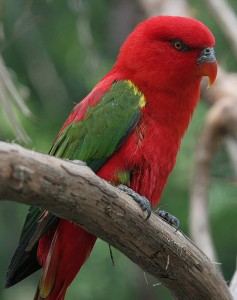
The Dusky Lory is a bold, clownish lory from New Guinea, dressed in dark chocolate brown with a bright orange or yellow chest band and a cream patch on the lower back. They are playful, intelligent and very attached to their people. This guide explains how to care for a Dusky Lory: what to feed, how to set up the cage, how to keep one busy and the health problems to look out for.
Dusky Lories are only rarely in stock at Birdsville, so call us or follow our socials if you’re hoping to find one. We always stock everything a Dusky Lory needs, in-store at 684 Botany Road, Alexandria NSW 2015 and online through Petsville with delivery right across Australia.

Dusky Lory Quick Facts
Scientific name: Pseudeos fuscata (also listed as Chalcopsitta fuscata)
Other names: White-rumped Lory, Dusky-orange Lory
Native to: New Guinea and nearby islands
Adult size: about 25cm, 140 to 190g
Lifespan: around 20 to 30 years with good care
Colour phases: orange (most common) and yellow
Diet: nectar, pollen, fruit and vegetables
Housing: a very large cage with daily time out, or an aviary of about 2 x 1 x 2m
Noise: loud, with harsh screeches
Talking: some birds learn words and sounds
Maturity: 2 to 3 years
On This Page
Dusky Lories as Pets
Essential Supplies
Cage Setup
Keeping Your Lory Busy
Diet and Feeding
Fresh Water
Supplements
Handling and Bonding
Talking and Training
Health Problems
Worming and Parasite Control
Cleaning
Hazards Around the Home
Choosing a Healthy Lory
Sexing and Colour Phases
Breeding
Record Keeping
Holiday Care
Transport
Living With Other Birds
Boarding
FAQ
Vets and Links
Dusky Lories as Pets
In the wild, Dusky Lories travel in big, rowdy flocks across the lowlands and foothills of New Guinea, feeding on flowering trees, coconut blossom and fruit. That energy comes home with them. A hand raised Dusky Lory is curious, extroverted and full of personality, and it will want to be involved in everything you do.
They make wonderful companions for the right home, but they aren’t a quiet or tidy bird. Their calls are loud and harsh, nectar feeders make a mess, and they need daily attention. With care, they can live for 20 to 30 years, so a Dusky Lory is a long term commitment.
Essential Supplies for a Dusky Lory
You’ll find all of these and plenty more in-store at Birdsville and online at Petsville.
Housing
Large, sturdy cage with horizontal bars, at least 90 x 60 x 90cm and ideally much bigger
Natural branch perches in a range of thicknesses
Newspaper for the cage tray
Cage cover
Diet
Birdsville Blends Lorikeet Dry (https://petsville.com.au/products/birdsville-blends-lorikeet-dry-1kg)
Vetafarm Forest Fusion Lori Diet (https://petsville.com.au/products/vetafarm-forest-fusion-lori-diet-450g)
Wet mix for young birds, such as Avi One Lorikeet Wet Mix (https://petsville.com.au/products/avi-one-lorikeet-wet-mix-750g)
Three stainless steel bowls: one for nectar mix, one for dry food, one for water
Supplements
Vetafarm Multivet (https://petsville.com.au/products/vetafarm-multivet-50ml)
Vetafarm Calcivet (https://petsville.com.au/products/vetafarm-calcivet-50ml)
Calcium perch (https://petsville.com.au/products/avian-care-trimming-calcium-perch-140mm-small)
Toys
Bells and other noisy toys
Rope, wood and shredding toys
Swings and ladders, such as the Sisal Rope and Log Bridge (https://petsville.com.au/products/nat-island-sisal-rope-and-log-bridge-m)
Foraging box, such as the BeakJoy Natural Signature Foraging Box (https://petsville.com.au/products/beakjoy-peak-play-natural-signature-blend-s)
Bird Plunk bath (https://petsville.com.au/products/bird-plunk)
Health and Cleaning
Avitrol Mite and Lice Spray (https://petsville.com.au/products/fidos-avitrol-bird-mite-and-lice-spray-125ml)
Vetafarm Wormout Gel (https://petsville.com.au/products/vetafarm-wormout-gel-50ml)
F10 disinfectant, ready to use (https://petsville.com.au/products/f10-500ml-ready-to-use)
Aviclens for the water bowl (https://petsville.com.au/products/vetafarm-aviclens-water-cleanser-100ml)
First Aid
Gram scale
Styptic powder
Heat lamp
Transport
Bono Fido Deluxe Parrot Carrier (https://petsville.com.au/products/bono-fido-deluxe-parrot-carrier)
Extras to Consider
Bird harness for safe outdoor time (https://petsville.com.au/products/the-aviator-bird-harness-mini-black)
Vetafarm Synbiotic (https://petsville.com.au/products/vetafarm-synbiotic-100g)
Passwell Lorikeet Treat Bar (https://petsville.com.au/products/passwell-delight-lorikeet-75g)
Cage Setup
Buy the largest cage you can afford. Dusky Lories are big, active birds, and the cage has to fit toys, perches and three dishes while still leaving room to climb and flap. Treat 90 x 60 x 90cm as the bare minimum for one bird, and go bigger wherever you can. A cage with horizontal bars gives them plenty to climb.
In an aviary, aim for at least 2m long, 1m wide and 2m high. Because their droppings are very wet, a sloped concrete floor with a drain or a suspended flight over concrete is easiest to keep clean.
Every bird needs supervised time out of the cage each day. Never leave a lory to roam the house on its own, as they find toxins and hazards quickly.
Cage Setup Steps
- Choose a bright room where the family spends time, away from the kitchen and draughts.
- Fit natural perches at different heights.
- Mount dishes high, where droppings won’t fall in.
- Hang a mix of noisy, chewable and swinging toys.
- Offer a bath several times a week.
- Cover the cage at night for 10 to 12 hours of sleep.
Keeping Your Lory Busy
To a Dusky Lory, nearly everything is a toy. Bells, ropes, chew toys and swings all go down well. Change toys over every week so nothing gets stale.
Fresh branches are a favourite. Eucalyptus, bottlebrush, wattle and grevillea give them something to strip, chew and drink nectar from. Wash branches and only cut them from plants that haven’t been sprayed.
Lories love water. A bath dish or a gentle misting with clean water keeps their feathers in good order after sticky nectar meals.
Diet and Feeding
Lories have a brush tipped tongue covered in fine papillae that collect nectar and pollen. Their bodies are built for liquid food and soft fruit, not hard seed, so a commercial nectar replacement diet must be the base of what they eat.
Our pick for lories is Birdsville Blends Lorikeet Dry, the lory and lorikeet food our customers come back for most. Vetafarm Forest Fusion Lori Diet and Wombaroo Lorikeet and Honeyeater Food (https://petsville.com.au/products/wombaroo-lorikeet-honeyeater-food-1-5kg) are other good choices.
Dry and Wet Nectar Mix
Nectar replacement is sold as a powder in two forms.
Dry mix is eaten as it comes. It keeps all day, but your lory must have plenty of fresh water alongside it.
Wet mix is stirred into water and contains so much moisture that your lory drinks less, though water should still always be offered. It spoils quickly, so replace it twice a day, or more on hot days.
How Much to Feed
Young birds: give wet and dry mix in two separate dishes. Over the following months, slowly reduce the wet mix until your lory is on dry food alone.
Adults: keep dry mix available all day. Vetafarm’s guide is at least 10g of their lorikeet diet per 100g of body weight daily, so a Dusky Lory needs roughly 14 to 19g a day. Add a bowl of chopped fruit and vegetables every morning and take it away in the late afternoon.
Weigh your bird once a week so any drop in weight is spotted quickly.
Fruits and Veggie Guide
Fruits
Mango, pawpaw, apple, pear, pomegranate, figs, berries and melon. Citrus once a week at most.
Vegetables
Silverbeet, spinach, sweet potato, pumpkin, carrot and corn.
Treats
Fresh native blossom and the odd Passwell Lorikeet Treat Bar.
Avoid Entirely
Avocado, onion, chocolate, caffeine, alcohol, salty snacks, fruit pits and seeds, and seed mixes.
Fresh Water
Even on a wet diet, your lory needs clean water every day. Dry fed birds drink plenty, so check the bowl again in the afternoon during hot weather. Aviclens helps keep the water fresh, and the bowl should be washed daily.
Supplements
Mix a vitamin supplement such as Vetafarm Multivet into the water every two to three days to cover the nutrients often missing from lory diets.
Vetafarm Calcivet is our calcium pick for all birds, and it matters most for indoor birds that miss out on direct sunlight. Leafy greens like silverbeet and a calcium perch add extra calcium.
Handling and Bonding
Hand raised Dusky Lories form strong bonds with their owners and love being part of the family. Give a new bird a few days to settle before handling, then keep early sessions calm and short. Sitting with your lory while you watch TV or read is an easy way to build trust.
Don’t overwhelm a young bird in its first weeks at home. Regular daily contact keeps it tame, while too little attention can make it nippy or noisy. Introduce your lory to different people, new toys and vet visits while it’s young so it grows up confident.
Talking and Training
Some Dusky Lories learn words, short phrases and household sounds, especially with daily practice. Not every bird talks, so think of any words as a bonus. Repeat the same words often in a cheerful voice and reward your lory when it copies you.
Use positive training only. Reward what you like, ignore what you don’t and never punish. Start with “step up”: put your finger against the lower chest, say the cue and reward the moment the bird steps on. Short, frequent sessions work best.
Our parrot training guide covers biting, screaming and more (https://birdsville.net.au/pet-bird-advice-and-training/bird-training-clicker-training-parrot-body-language/).
Health Problems
Birds hide sickness well. A Dusky Lory that sits puffed up, stops eating or loses interest in its toys needs prompt attention. Read more in our Common Bird Illnesses guide (https://birdsville.net.au/common-bird-illnesses/).
Yeast and Fungal Infections
Sugary food that sits too long lets yeast and fungus grow. Signs include lethargy, regurgitation, bad breath and white patches in the mouth. A lack of vitamin A makes these infections more likely, so feed orange vegetables and keep every dish spotless.
Bacterial Infections
Dirty perches, spoiled food, other pets and unwashed hands can all pass on bacteria, and stressed birds are more vulnerable. Keep a sick bird warm with a heat lamp near the cage and see an avian vet quickly.
Iron Storage Disease
Lories absorb dietary iron readily, and an overload damages the liver. Limit citrus, as vitamin C increases iron absorption. A bloated belly, puffing while breathing or general weakness can point to it.
Bumblefoot
Smooth dowel perches and dirty perches can cause sore, swollen feet. Natural branches of different sizes, cleaned regularly, prevent it.
Beak and Feather Disease
PBFD can infect any parrot and spreads through feather dust and droppings. There’s no vaccine. Prevention comes down to buying from a clean source, quarantining new birds and keeping your bird well fed and relaxed.
Obesity
A lory that spends all day in a small cage can put on weight. Daily time out, plenty of climbing and a sensible amount of treats keep it fit.
Worming and Parasite Control
Plan the first worming for a few weeks to two months after your lory arrives, and check the exact timing with our team. After that, worm every 6 months.
Lice and mites are kept under control by spraying your lory, its cage, perches and toys with a bird mite and lice spray. Take out food and water before spraying and avoid the face.
Keep a new lory away from your other birds for 4 to 6 weeks before you introduce them.
Cleaning
Old food must never be left to build up in the cage, on perches or in dishes.
Daily: replace wet food twice, wash dishes and change the cage paper.
Weekly: scrub perches, toys and the cage tray, and weigh your bird.
Monthly: disinfect the whole cage with a bird safe product such as F10, and replace worn perches.
Hazards Around the Home
See Avoid Entirely in the Fruits and Veggie Guide for dangerous foods. Also watch for:
Non-stick cookware fumes, aerosols, scented candles and smoke
Ceiling fans, windows and mirrors
Toxic houseplants
Zinc and lead in cheap metal, keys and old paint
Open water such as sinks, toilets and cups
Power cords
Cold draughts
Dogs and cats left alone with your bird
Choosing a Healthy Lory
Check these points on any bird you’re thinking of buying, and on your own bird regularly.
Eyes: clear, bright and free of discharge.
Keel: feel the breast bone under the chest. A healthy bird has firm muscle either side. A sharp, bony keel means weight loss, and because birds burn energy so fast, that can happen quickly.
Beak and mouth: clean and not overgrown.
Nostrils: clear.
Feathers: smooth and complete. Young birds’ tails often get messy from wet food.
Vent: clean.
Appetite: eager. A bird that tucks in is usually a healthy one.
Behaviour: active and inquisitive.
Weaning: buy a fully weaned bird unless you have hand rearing experience.
Clipped wings should always be cut to match on both sides. Birdsville offers wing and nail clipping (https://birdsville.net.au/wing-clipping-nail-clipping/).
Sexing and Colour Phases
Male and female Dusky Lories look the same, so DNA or surgical sexing is needed to know which is which.
There are two colour phases. The orange phase has rich orange bands across the chest and is the more common. The yellow phase has bright yellow bands and is rarer. Young birds have more orange or yellow on the underside, a dark beak and greyish eyes.
Breeding
Dusky Lories mature at 2 to 3 years and form strong, lifelong pairs. Provide a vertical nest box of about 23 x 23 x 36cm with a layer of pine shavings or rotted wood, and avoid any nesting material with cedar.
The hen usually lays 2 eggs, which hatch after about 24 to 28 days. Chicks leave the nest at roughly 8 to 10 weeks and rely on their parents for several weeks after that. Lory nests get wet and messy, so clean the box between clutches. Vetafarm Breeding Aid (https://petsville.com.au/products/vetafarm-breeding-aid-100ml) helps support breeding pairs.
Record Keeping
Note your lory’s weekly weight, worming and mite treatment dates, vet visits and any change in appetite or droppings. A falling weight is often the earliest warning sign.
Holiday Care
Nectar food spoils within hours, so a Dusky Lory can’t be left alone with extra food. Ask an experienced bird sitter to come in every day, or book boarding.
Transport
A sturdy, ventilated carrier keeps your lory safe on the road. Remove water while driving and offer it on arrival, keep the trip short and never leave your bird in a parked car. A dose of Vetafarm Spark Liquid after the trip helps it settle. See our carry cages (https://birdsville.net.au/carry-cages/).
Living With Other Birds
Keep a new bird in a separate cage when it first comes home, and allow at least 2 weeks of seeing and hearing each other before any introduction. Complete the 4 to 6 week quarantine first.
Dusky Lories are confident and can be pushy, so introduce them carefully and avoid housing them with much smaller or timid birds.
Boarding
Planning a trip? Your lory can stay with us at our Sydney bird boarding, where nectar diets are part of the daily routine (https://birdsville.net.au/parrot-bird-boarding-sydney/). Send its usual food along so nothing changes.
Dusky Lory FAQ
Do Dusky Lories make good pets?
For the right owner, yes. Hand raised Dusky Lories are playful, clever and very affectionate, and they bond closely with their family. They are also loud and messy, need a fresh nectar diet every day and can live 20 to 30 years, so they suit someone with time, patience and a long term commitment.
Can Dusky Lories talk?
Some can. Dusky Lories are intelligent mimics, and many pick up a few words, short phrases and household sounds with daily practice. Not every bird will talk, so treat any words as a bonus. Repeat words often in a happy voice and reward your lory when it copies you.
Are Dusky Lories noisy?
Yes. Their natural calls are harsh, loud screeches that carry, so they can be a problem in apartments or with close neighbours. Plenty of attention, toys and a regular routine help keep the noise down, but expect some loud calls every day, especially in the morning and evening.
What do Dusky Lories eat?
Dusky Lories eat nectar, pollen and soft fruit. Feed a commercial lorikeet or lory diet as the main food, served dry next to a water bowl or made up wet and freshened twice daily. Add fresh fruit and vegetables daily, give vitamins in the water every few days and avoid seed, avocado and chocolate.
How long do Dusky Lories live?
With a good diet and care, Dusky Lories commonly live 20 to 30 years, and some go beyond that. Wild birds live much shorter lives. Fresh nectar food, clean dishes, regular worming, vitamins and an annual vet check all help your lory reach a good old age.
How can you tell a male Dusky Lory from a female?
You can’t tell by looking. Male and female Dusky Lories have the same colouring, so you’ll need a DNA test from a few plucked feathers or a drop of blood, or surgical sexing by a vet. DNA sexing is quick and is worth doing before pairing birds for breeding.
Vets and Links
SASH (Small Animal Specialist Hospital), 5/476 Gardeners Rd, Alexandria NSW 2015, 02 8913 4000, sashvets.com (24/7 emergency)
The Wild Vet, 22A Bridge Road, Glebe, 1300 945 3838, thewildvet.com.au
SERV, 57-63 Herbert St, Artarmon, 02 9436 4884, exoticsvet.com.au
Southern Cross Veterinary Clinic, 60 Princes Hwy, St Peters, 02 9516 0234, southerncrossvet.com.au
Carlingford Animal Hospital, 772 Pennant Hills Road, Carlingford, 02 9871 6036, birdhealth.com.au
The Unusual Pet Vets, 995 Bourke Street, Waterloo NSW 2017, 02 9319 6111, unusualpetvets.com.au
Vetafarm, vetafarm.com.au
Further reading:
World Parrot Trust, Dusky Lory (https://parrots.org/encyclopedia/dusky-lory/)
RSPCA Knowledgebase, How should I care for my lorikeet? (https://kb.rspca.org.au/knowledge-base/how-should-i-care-for-my-lorikeet/)
Dusky Lory Supplies at Birdsville
Birdsville has been looking after Sydney’s birds since 1985. We’re a small business doing things in a big way, and nobody tells us what to put on our shelves, so we only stock what we’d trust with our own birds.
Dusky Lories are rarely in stock, so call (02) 9669 1766 before you visit if you’re hoping to see one. Visit us at 684 Botany Road, Alexandria NSW 2015, on the corner of Gardeners Road, servicing the Eastern Suburbs and Inner South Sydney, or order lory food on Petsville (https://petsville.com.au/collections/lorikeet-food) for delivery Australia-wide.
Follow us on Facebook (https://www.facebook.com/BirdsvilleRosebery/), Instagram (https://www.instagram.com/petsvillesydney/) and TikTok (https://www.tiktok.com/@birdsvillepets) for live updates and new arrivals.